Reading Semitic Languages with Hebrew
A walk through the Semitic languages of antiquity and of today, read with the background I happen to have: fluent Hebrew, yeshiva Aramaic, learner’s Arabic. The aim is a very basic sense of how much these languages share with one another.
 Part 1
Bread, Meat, or a Meal? Hebrew and Arabic as Cousins
Oct 20, 2026Hebrew לחם means bread. Arabic لحم means meat. Trying to understand how that happened sent me back to Daniel, the korbanos, and a disagreement between Ibn Ezra and the Ramban.
 Part 2
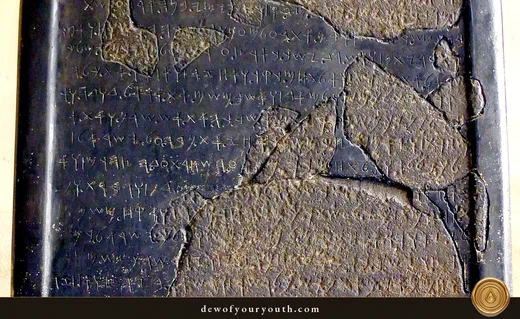
If You Know Hebrew, Do You Know Moabite?
Oct 23, 2026A Hebrew speaker reads the ninth-century BCE Mesha Stele without first studying Moabite, keeping the misreadings visible, to see how far Hebrew actually gets you.
 Part 3
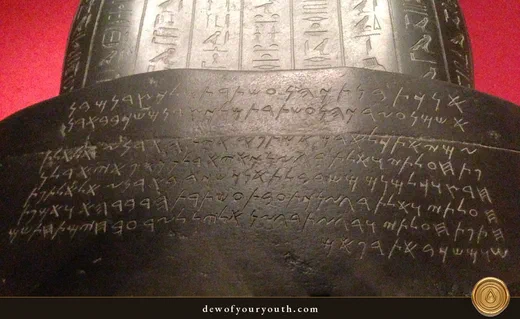
How Much Phoenician Can I Read with Hebrew?
Oct 27, 2026A Hebrew speaker reads Tabnit’s Phoenician curse against grave robbers, carved on a recycled Egyptian coffin, with the guesses and corrections left visible.
 Part 4
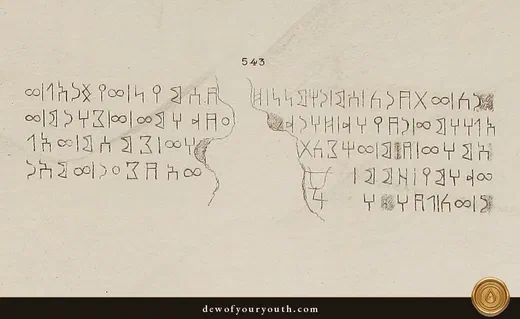
How Much Sabaic Can I Read with Hebrew? Less Than I’d Hoped.
Oct 30, 2026A Hebrew speaker tries to read CIH 543, a Jewish inscription from Ḥimyar, and spends a while parsing a family’s names as grammar.
 Part 5
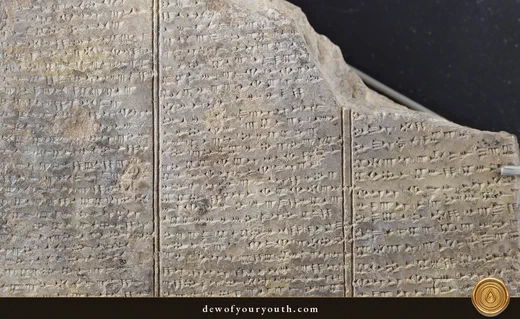
How Much Ugaritic Can I Read with Hebrew?
Nov 1, 2026A Hebrew speaker reads Ugaritic: a priest’s axe, a letter from Tyre, and a line of Baal poetry where the heavens rain oil.
 Part 6
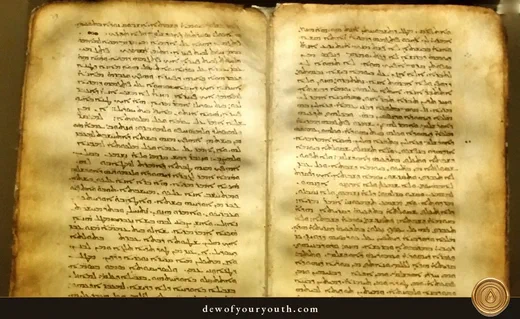
I Read Aramaic for Years. Then I Heard It Spoken.
Nov 3, 2026Years of Talmud and Targum gave me a strong reading knowledge of Aramaic. Then I listened to people who actually speak it.
 Part 7
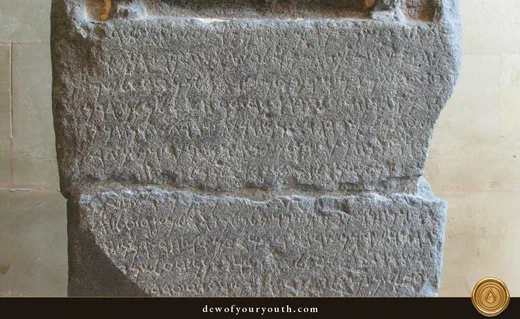
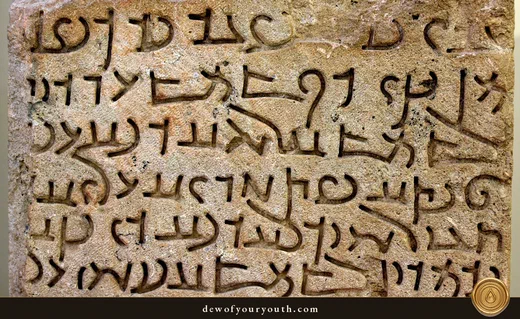
Old Aramaic: A King, a Curse, and Some Familiar Territory
Nov 5, 2026A Hebrew and Gemara reader tries two Old Aramaic inscriptions: a Syrian king saved from a siege, and a treaty curse of seven nurses and one unsatisfied baby.
 Part 8
An Aramaic Lightning Round: Ten Texts from Elephantine to Mandaic
Nov 15, 2026Ten Aramaic readings in one sitting: the Yerushalmi felt like home, Arabic cracked a Nabataean curse, and John the Baptist went into the desert to color.
 Part 9
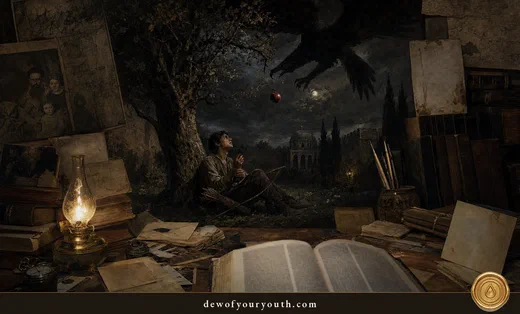
Christian Urmi by Ear: Three Sons and a Mystery Fruit
Nov 17, 2026A Christian Urmi folktale by ear, then with a text: Gemara Aramaic got me the king, his sons and the tree, but not what the apple was for.
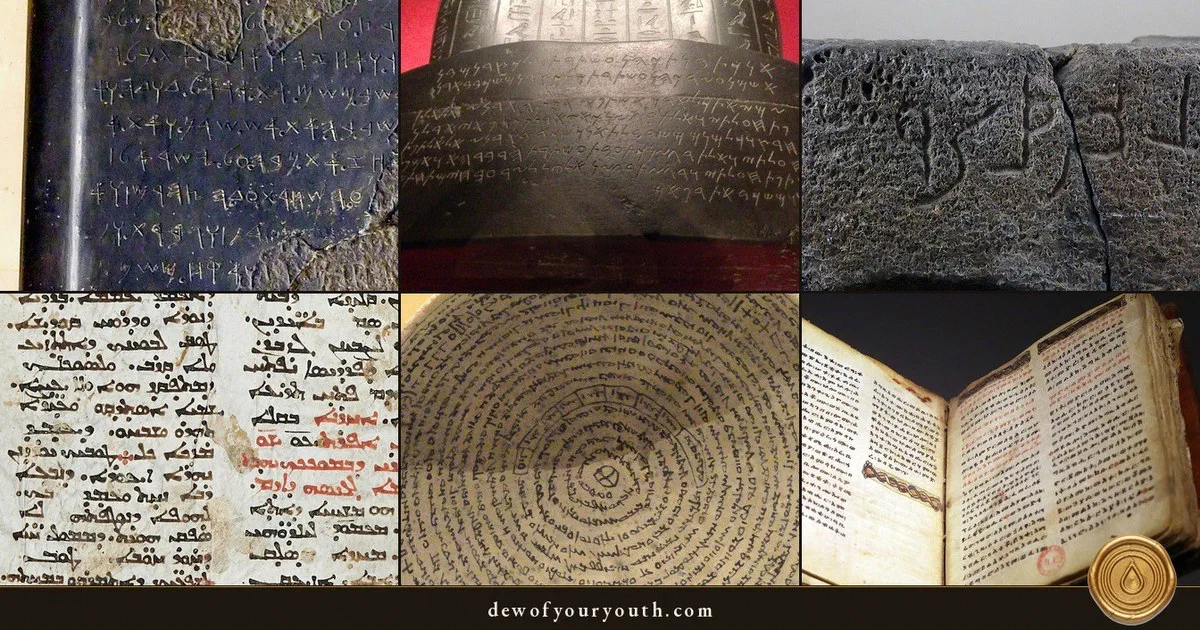
Cover photos, cropped, left to right: Mesha Stele by Mbzt, CC BY 3.0; Tabnit inscription by oncenawhile, CC BY-SA 3.0; Nabataean inscription, Louvre AO 4988 (public domain); 11th-century Syriac liturgy (public domain); Mandaic incantation bowl, Royal Ontario Museum, by Daderot, CC0; Beta Israel prayers in Ge’ez, c. 1850, BnF, by Sailko, CC BY-SA 4.0.