How Much Phoenician Can I Read with Hebrew?
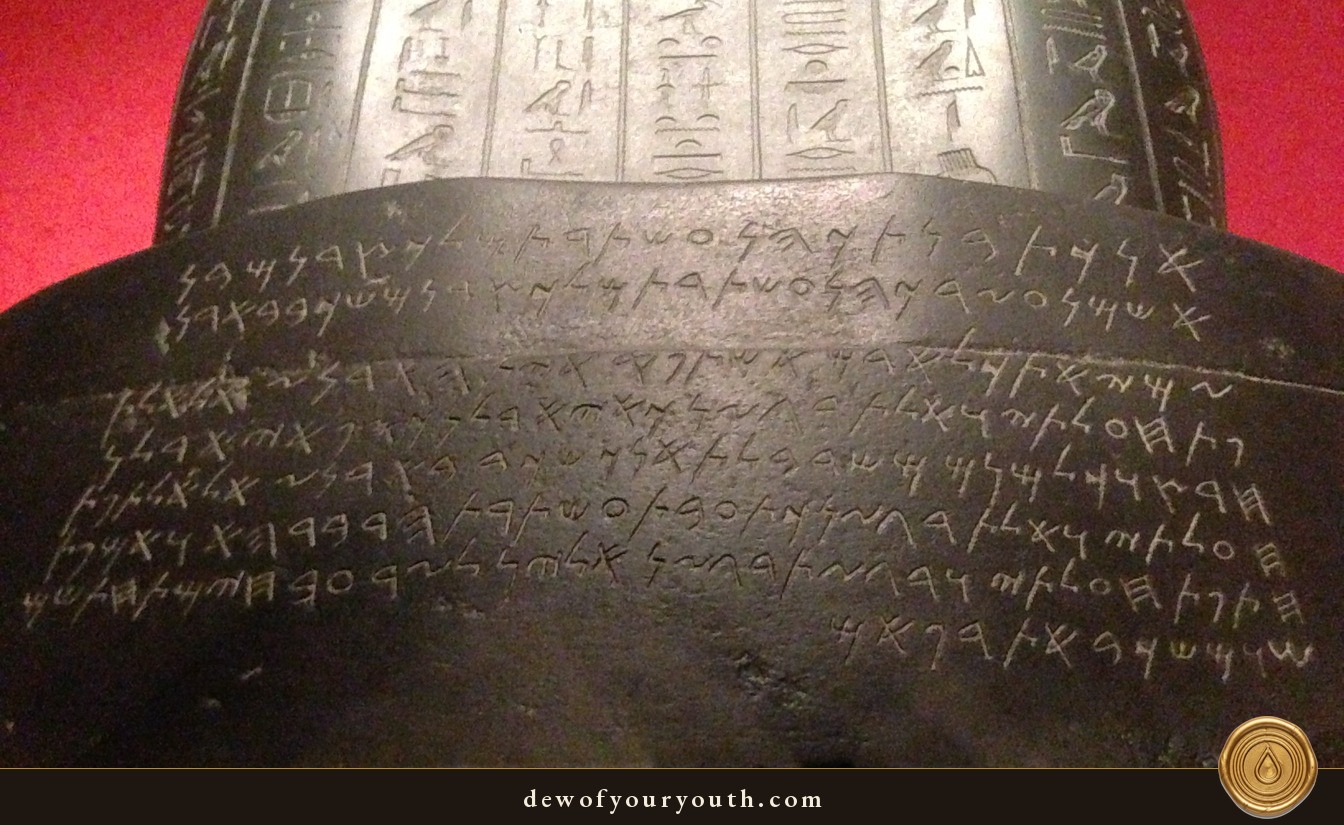
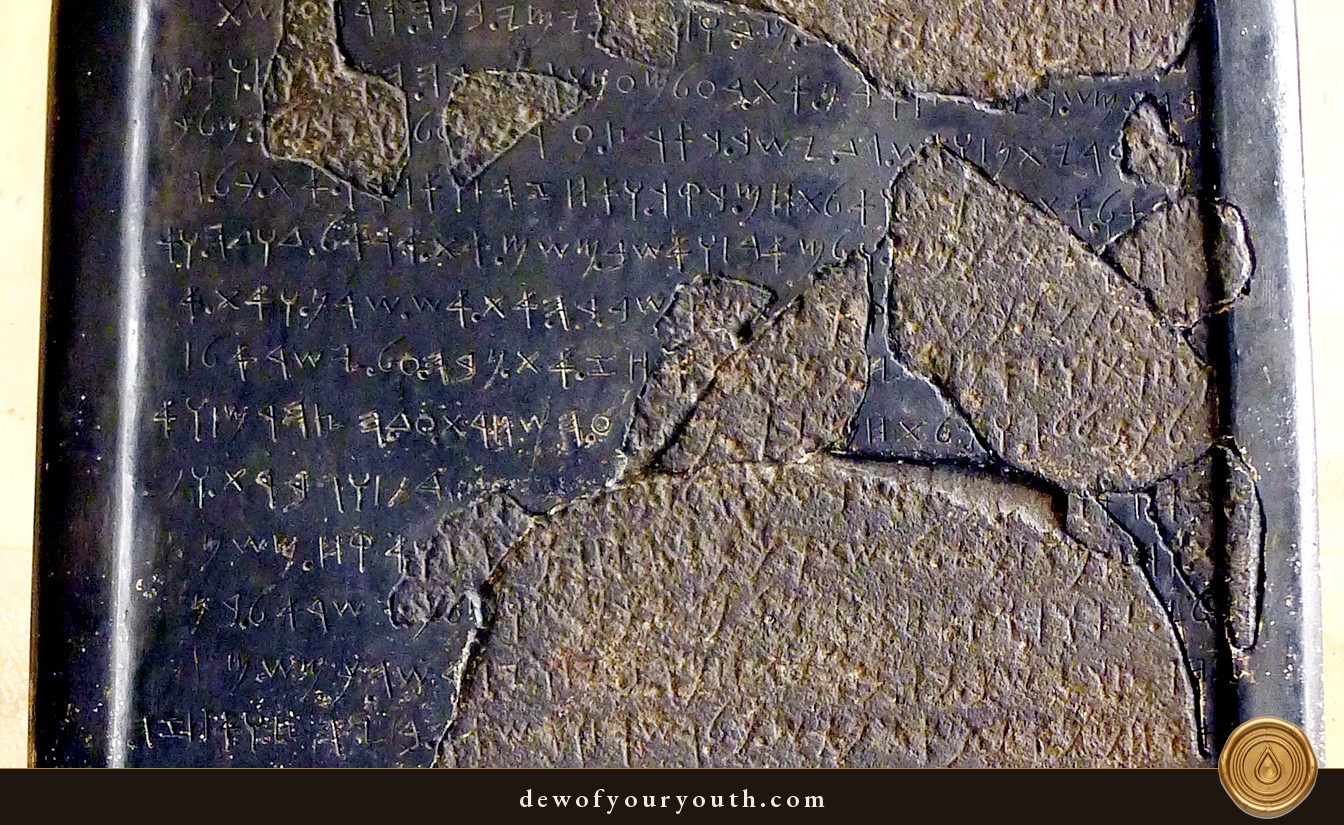
Recently, I started looking into how much my knowledge of Hebrew, my little bit of Arabic, and my extensive yeshiva background will allow me to understand other Semitic languages I haven’t studied. After Moabite and the Mesha Stele, I decided to move on to Phoenician.
Why Phoenician
When I was looking into the Phoenicians, I discovered that some Lebanese Christians prefer to identify as Phoenician rather than Arab. I thought that was really cool. I’m all about that: people choosing to identify with their ancient people.
I’m not saying there’s anything wrong with being Arab. But Lebanon has a rich Phoenician and Canaanite history, and I like the idea of people identifying with it. I feel like we Jews, or Israelites, and the Samaritans are among the remaining communities with that continuity from the ancient Canaanite world. So it’s cool to see people in Lebanon identifying with the Phoenicians too.
The Phoenician alphabet is also behind a tremendous number of the alphabets we use today. Greek came from it, and Latin came through Greek and Etruscan. Aramaic developed from it too, and the square Hebrew letters we use today came through Aramaic. The older Hebrew alphabet was very close to Phoenician. They were very cool people, the Phoenicians. I guess maybe they still are.
Although the political reality means I’m not able to go to Lebanon, I have respect for the Lebanese who identify as Phoenicians. I don’t know what they would think of me, but I think it’s cool.
The plan, and what I’m bringing to it
In general, my plan is to go through a bunch of these languages: Nabataean, various forms of Aramaic like Syriac and Mandaic, Safaitic, Amharic, and obviously Arabic.
So, how much Phoenician can I read? I speak Hebrew fluently, read Aramaic from rabbinic literature, and am learning Arabic. I wouldn’t say I’m fluent in Arabic. This is just a fun experiment with the background I happen to have.
The Tabnit sarcophagus
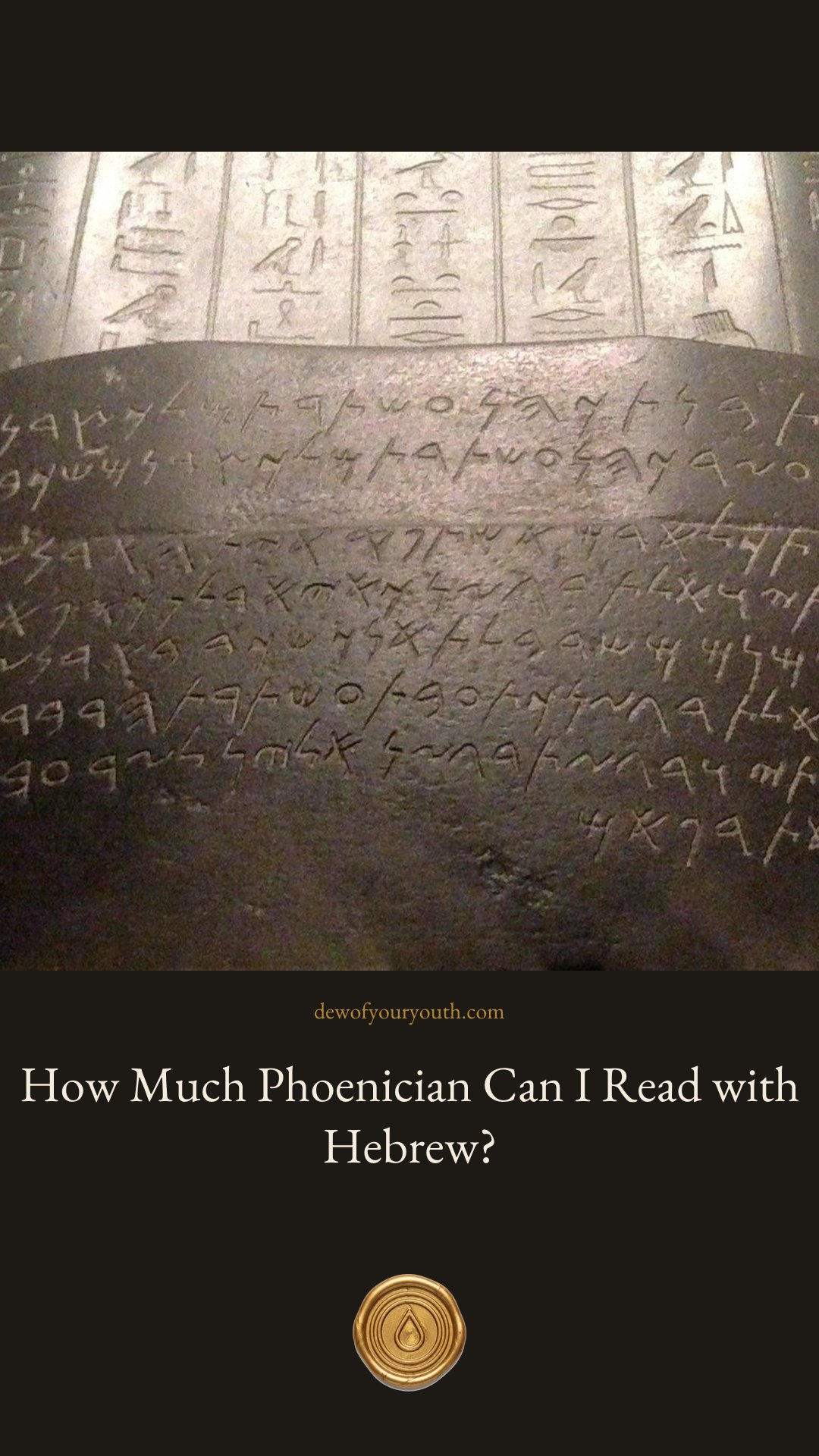
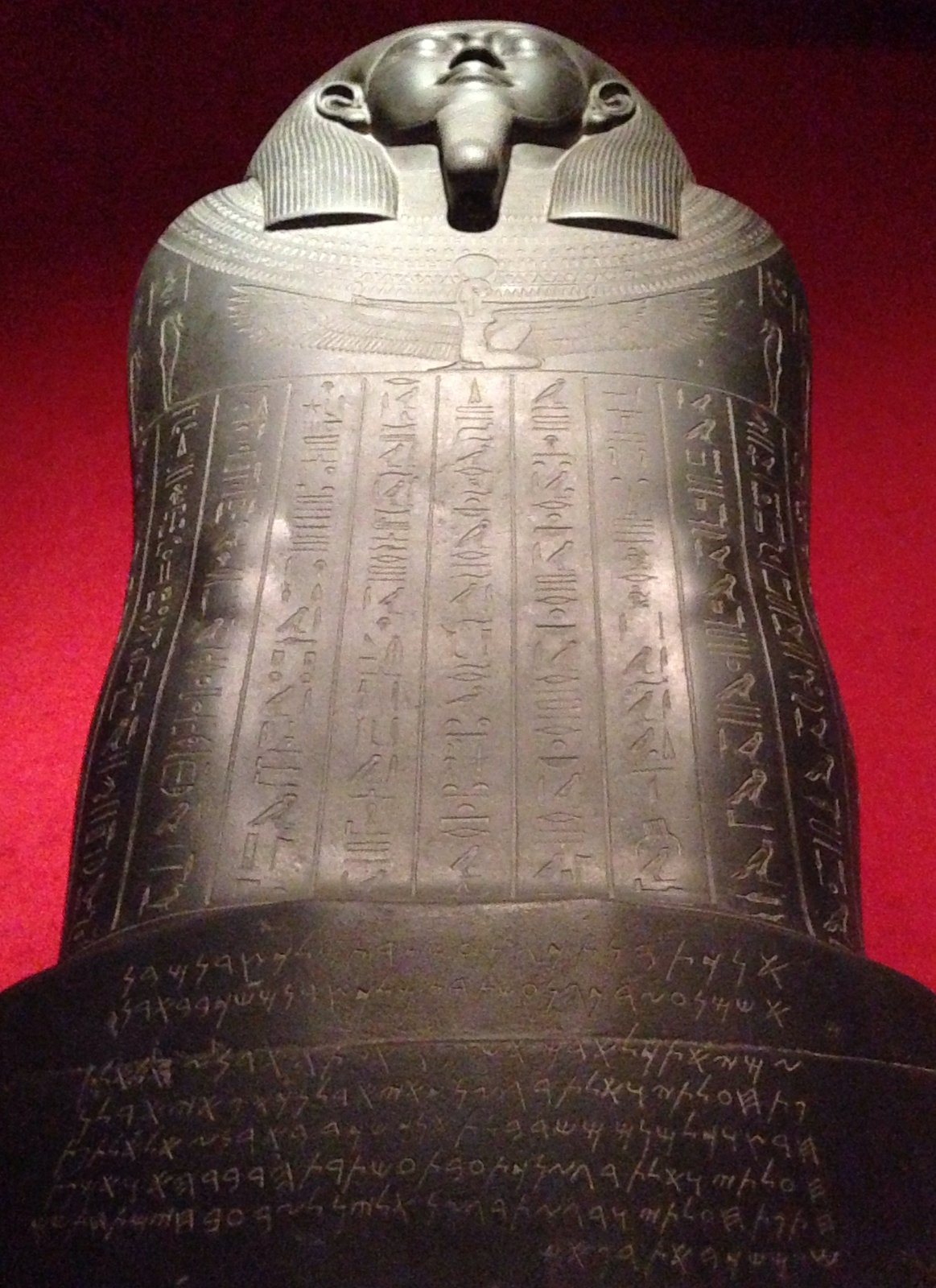
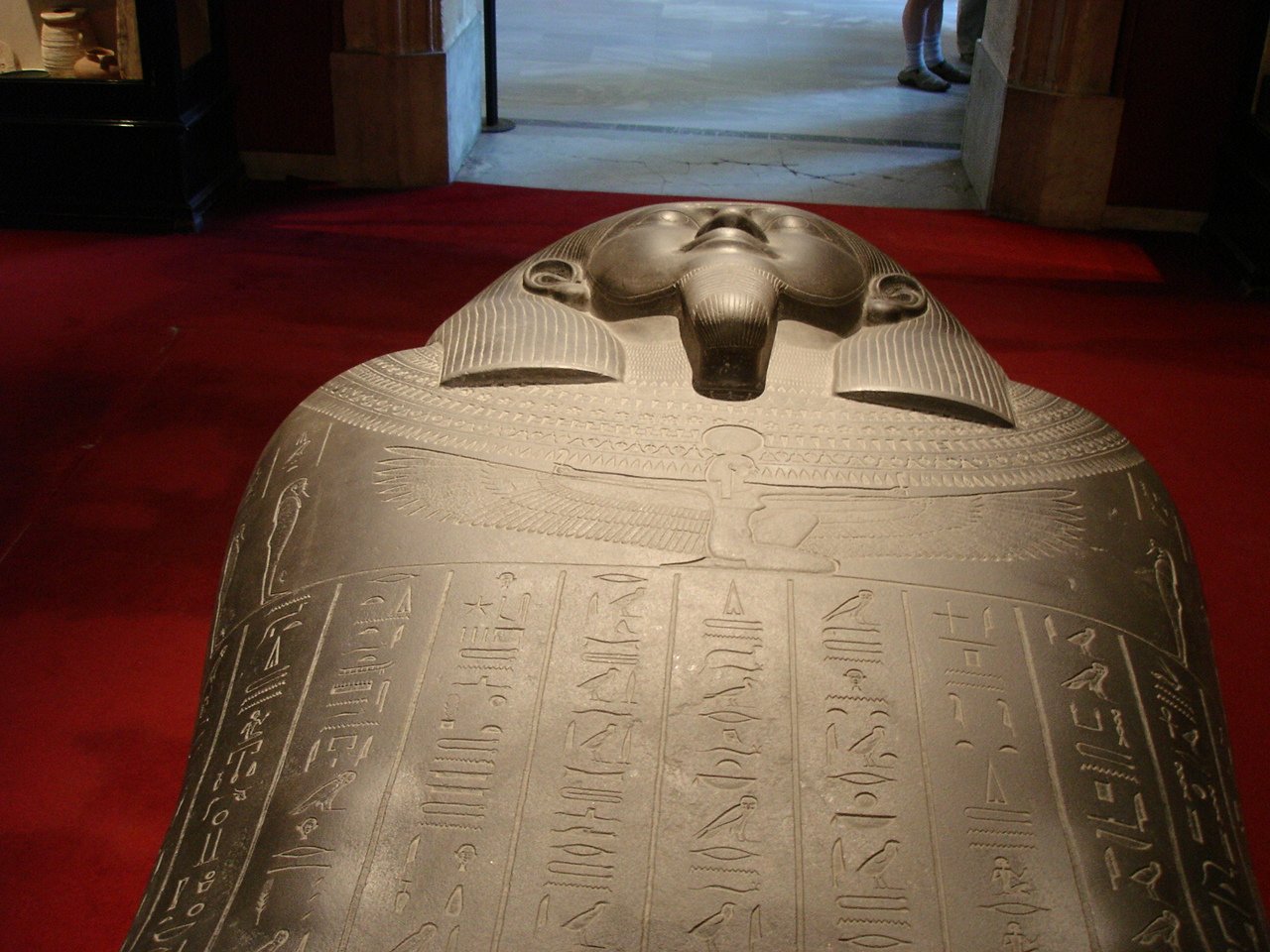
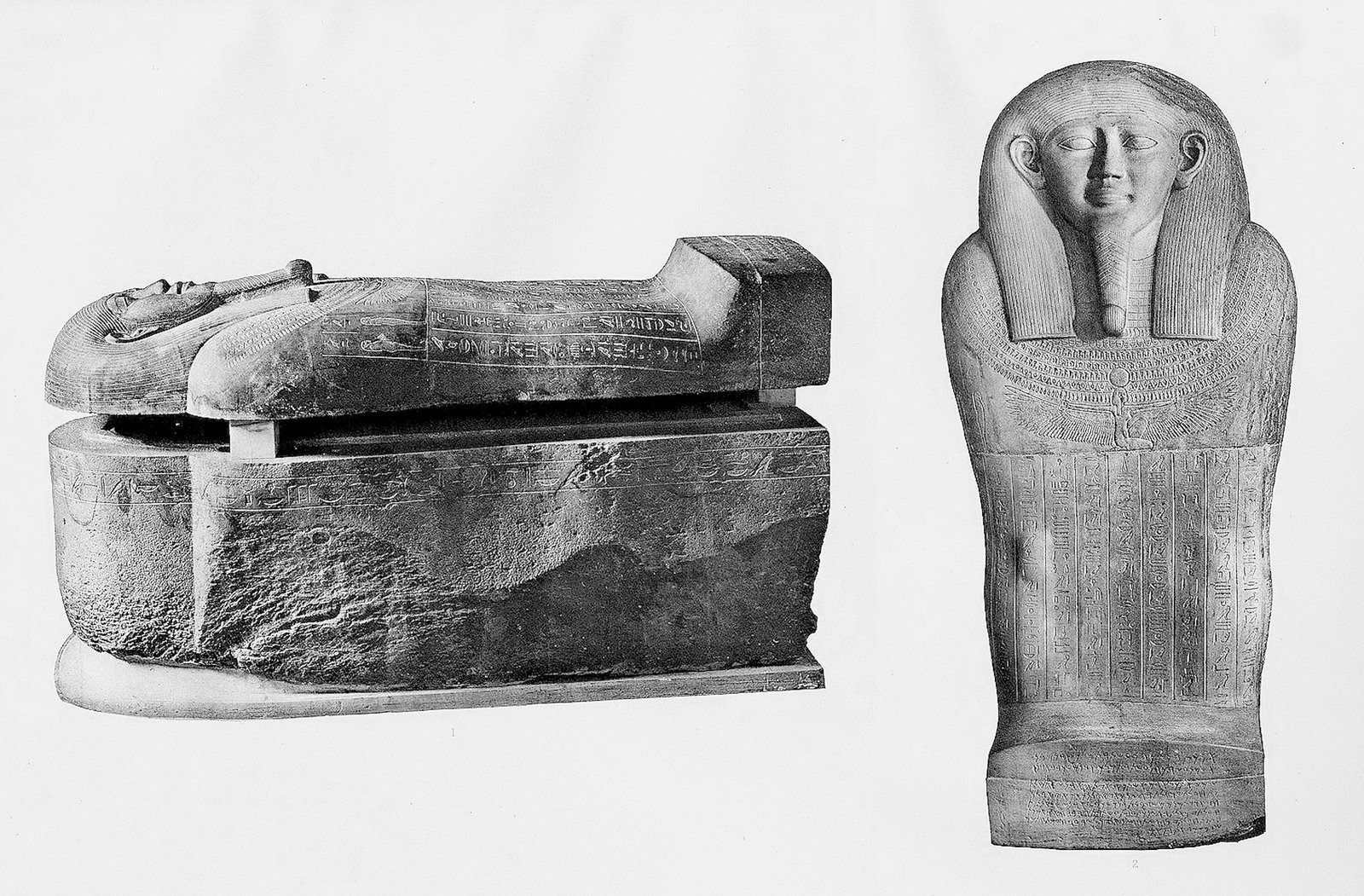
We’re going to start with the Tabnit sarcophagus. It was found in Sidon, Lebanon, and it’s now in the Istanbul Archaeological Museums in Turkey.
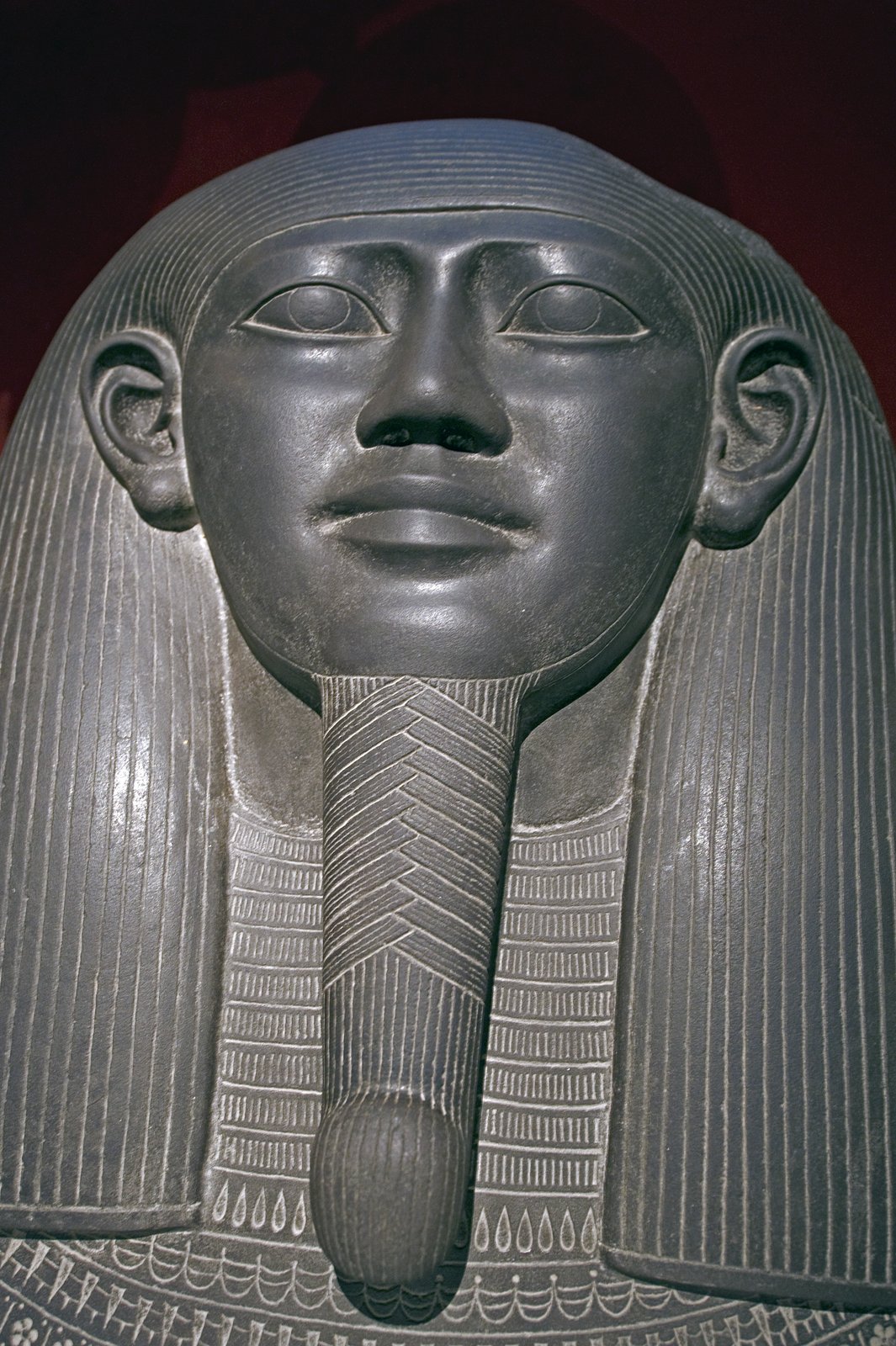
When you look at it, it’s an Egyptian sarcophagus that was repurposed. There’s Egyptian writing on the top, and underneath there is an inscription in Phoenician. This is actually really funny, and we’ll see why when we read the inscription.
The inscription in three scripts
Here’s the Phoenician text in three alphabets. These are the same Phoenician words written in Phoenician, Hebrew, and Arabic letters—not translations into three languages. The Arabic column is a reading aid; Arabic doesn’t have an exact equivalent for every Phoenician consonant.
| Phoenician alphabet | Hebrew alphabet | Arabic alphabet |
|---|---|---|
| 𐤀𐤍𐤊 𐤕𐤁𐤍𐤕 𐤊𐤄𐤍 𐤏𐤔𐤕𐤓𐤕 𐤌𐤋𐤊 𐤑𐤃𐤍𐤌 𐤁𐤍 | אנך תבנת כהן עשתרת מלך צדנם בן | انك تبنت كهن عشترت ملك صدنم بن |
| 𐤀𐤔𐤌𐤍𐤏𐤆𐤓 𐤊𐤄𐤍 𐤏𐤔𐤕𐤓𐤕 𐤌𐤋𐤊 𐤑𐤃𐤍𐤌 𐤔𐤊𐤁 𐤁𐤀𐤓𐤍 𐤆 | אשמנעזר כהן עשתרת מלך צדנם שכב בארן ז | اشمنعزر كهن عشترت ملك صدنم شكب بارن ز |
| 𐤌𐤉 𐤀𐤕 𐤊𐤋 𐤀𐤃𐤌 𐤀𐤔 𐤕𐤐𐤒 𐤀𐤉𐤕 𐤄𐤀𐤓𐤍 𐤆 | מי את כל אדם אש תפק אית הארן ז | مي ات كل ادم اش تفق ايت هارن ز |
| 𐤀𐤋 𐤀𐤋 𐤕𐤐𐤕𐤇 𐤏𐤋𐤕𐤉 𐤅𐤀𐤋 𐤕𐤓𐤂𐤆𐤍 | אל אל תפתח עלתי ואל תרגזן | ال ال تفتح علتي وال ترجزن |
| 𐤊 𐤀𐤉 𐤀𐤓 𐤋𐤍 𐤊𐤎𐤐 𐤀𐤉 𐤀𐤓 𐤋𐤍 𐤇𐤓𐤑 𐤅𐤊𐤋 𐤌𐤍𐤌 𐤌𐤔𐤓 | כ אי אר לן כסף אי אר לן חרץ וכל מנם משר | ك اي ار لن كسف اي ار لن حرص وكل منم مشر |
| 𐤁𐤋𐤕 𐤀𐤍𐤊 𐤔𐤊𐤁 𐤁𐤀𐤓𐤍 𐤆 | בלת אנך שכב בארן ז | بلت انك شكب بارن ز |
| 𐤀𐤋 𐤀𐤋 𐤕𐤐𐤕𐤇 𐤏𐤋𐤕𐤉 𐤅𐤀𐤋 𐤕𐤓𐤂𐤆𐤍 | אל אל תפתח עלתי ואל תרגזן | ال ال تفتح علتي وال ترجزن |
| 𐤊 𐤕𐤏𐤁𐤕 𐤏𐤔𐤕𐤓𐤕 𐤄𐤃𐤁𐤓 𐤄𐤀 | כ תעבת עשתרת הדבר הא | ك تعبت عشترت هدبر ها |
| 𐤅𐤀𐤌 𐤐𐤕𐤇 𐤕𐤐𐤕𐤇 𐤏𐤋𐤕𐤉 𐤅𐤓𐤂𐤆 𐤕𐤓𐤂𐤆𐤍 | ואם פתח תפתח עלתי ורגז תרגזן | وام فتح تفتح علتي ورجز ترجزن |
| 𐤀𐤋 𐤉[𐤊]𐤍 𐤋[𐤊] 𐤆𐤓𐤏 𐤁𐤇𐤉𐤌 𐤕𐤇𐤕 𐤔𐤌𐤔 | אל י[כ]ן ל[ך] זרע בחים תחת שמש | ال ي[ك]ن ل[ك] زرع بحيم تحت شمش |
| 𐤅𐤌𐤔𐤊𐤁 𐤀𐤕 𐤓𐤐𐤀𐤌 | ומשכב את רפאם | ومشكب ات رفام |
Reading it line by line
“I am Tabnit”
We’re going to start with the first line:
“אנך תבנת כהן עשתרת מלך צדנם.”
That means, “I am Tabnit, a priest of Astarte, the king of the Sidonites.” Astarte is the name of a goddess.
“בן אשמנעזר כהן עשתרת מלך צדנם.”
“Son of Eshmunazar, the priest of Astarte, the king of the Sidonites.”
“שכב בארן ז.”
“And I lie in this coffin.”
“Whoever you are”
Now the next one is a little bit more complicated from Hebrew:
“מי את כל אדם אש תפק אית הארן ז.”
So, “Who are you, any person?” I’m going to guess “תפק” is to take out, like in Aramaic. Something about taking out this coffin.
Now, the “zeh” is just a zayin, right, without a heh, because it’s an abjad. So hehs and alephs and yods are often optional. So I’m going to read that as a “zeh.”
So I think it means “Whoever takes out this coffin,” or maybe, like, “Whoever finds this coffin.”
Correction: My second guess was right: “Whoever you are, any person who comes upon this coffin.” תפק here means “find” or “encounter.” אש corresponds to Hebrew אשר, and אית marks the direct object, like Hebrew את.
Clarification: ז means “this,” but calling those letters “optional” is too loose. Phoenician generally writes fewer vowel letters than Hebrew. I’m reading it as Hebrew “zeh” to make sense of it; the spelling alone doesn’t tell us how the Phoenician word sounded.
“Don’t open my covering”
“אל אל תפתח עלתי ואל תרגזן.”
Okay, so “אל אל” is like “don’t.” It’s double; it’s repeated for emphasis, usually.
“תפתח עלתי”—so, “don’t open.” Obviously, “תפתח” is “open.” “עלתי,” I don’t know what it means, but I’m going to guess it’s like “what is on top of me,” from the word “על.” So, “Don’t open my covering.”
“ואל תרגזן”—in Hebrew, “תרגז” is to get angry. So, like, “Don’t anger me.”
“No silver, no gold”
“כ אי אר לן כסף אי אר לן חרץ וכל מנם משר.”
So, “Because there is no silver, and there is no—” Okay, so “חרץ” is usually like an engraved or grooved thing. In Hebrew, it would be something like a groove, but based on context I would guess that in Phoenician it means gold. I think there are some biblical parallels to that, but I’m not sure.
“וכל מנם משר”—anything that is, like, I don’t know what “משר” means. I’m guessing it’s like “anything of value.”
Correction and clarification: חרץ means “gold” here, like Hebrew חרוץ in “טוב פריי מחרוץ ומפז” (Proverbs 8:19). He’s saying there is no silver, gold, or other treasure deposited with him. My guess about “anything of value” gets the overall sense right.
Word note: כל מנם משר is generally translated along the lines of “any kind of riches.” That gives the sense of the phrase; I wouldn’t pretend I could have worked out every word from Hebrew.
And then it says:
“בלת אנך שכב בארן ז.”
“Except for me lying in this coffin.”
“אל אל תפתח עלתי ואל תרגזן.”
Again, “Do not open my covering. Do not disturb me.”
An abomination to Astarte
“כ תעבת עשתרת הדבר הא.”
“Because it is an abomination to Astarte, this thing.”
People grave-robbing is apparently an affront to Astarte.
The curse
“ואם פתח תפתח עלתי ורגז תרגזן.”
“If you do open”—openly open, you know, for emphasis, whatever—“if you indeed do open my covering and disturbingly disturb me,” for emphasis:
“אל י[כ]ן ל[ך] זרע בחים תחת שמש.”
“You will not have any sustained offspring under the sun.”
“ומשכב את רפאם.”
So, something about lying in the spirit.
So maybe, like, you will neither have offspring in this world nor in the spirit world.
Correction: The ending means “nor a resting place with the Rephaim,” the shades of the dead. משכב is a resting place, and את here means “with.” The curse denies him descendants among the living and a resting place among the dead, rather than offspring in both worlds.
Translation note: I associated יכן with Hebrew כון, as in “מקדש ה׳ כוננו ידיך,” which led me to “established” or “sustained.” I didn’t immediately see how we got from that to “have.” The explanation is that Phoenician uses this verb for “to be,” so יכן לך works like Hebrew יהיה לך: “there shall be for you,” hence “you shall have.” It isn’t a meaning I would have known just from reading the letters.
My verdict
My verdict is that there are a lot of false friends and some different vocabulary choices, but they weren’t a tremendous impediment. Biblical Hebrew was mostly what I used. I don’t know how much Aramaic helped, but I could get a sense of what was being said, at least in something like this. That doesn’t mean I got every word right. You’ve seen the guesses.
Whose coffin is it, anyway?
And the coffin itself is really funny. Here is Tabnit, in a repurposed Egyptian sarcophagus, telling everybody that opening his coffin is an abomination to Astarte. Meanwhile, whose coffin is he lying in?
I don’t know what he did with the mummy. In my version, the mummy is probably in a ditch somewhere. He plunders this coffin and then is very worried that someone else will plunder it again. Apparently, it becomes an abomination when it’s your coffin.
Anyway, for a first attempt at Phoenician, I think that went pretty well. There were words I didn’t know and things I misunderstood, but I could follow what he was saying. He’s Tabnit, he’s lying in this coffin, there’s nothing valuable in here, and please leave him alone.
Sources and credits
Sources for the notes
- Gaston Maspero’s examination of the Egyptian inscription (1887), identifying Penptah.
- Phoenician Mortuary Practice in the Iron Age I–III, Helen Dixon, on Tabnit’s epitaph and the proposed acquisition of the coffin as plunder.
- Unicode’s overview of ancient Middle Eastern scripts, for the alphabet relationships.
- Cambridge’s North-Eastern Neo-Aramaic Database Project, for living Aramaic dialects.
Featured image: detail of a photograph of the Tabnit sarcophagus by oncenawhile, 2014, cropped, CC BY-SA 3.0, via Wikimedia Commons.