How Much Sabaic Can I Read with Hebrew? Less Than I’d Hoped.
I recently made a YouTube video in which I tried to read Sabaic, an ancient Semitic language of southern Arabia, in what is now Yemen.
Sabaic was significantly more challenging for me as a Hebrew speaker than Phoenician or Moabite. Those are Canaanite languages, closely related to Hebrew, so I guess that should not have surprised me. Still, there was enough familiar vocabulary to keep me guessing. Sometimes correctly.
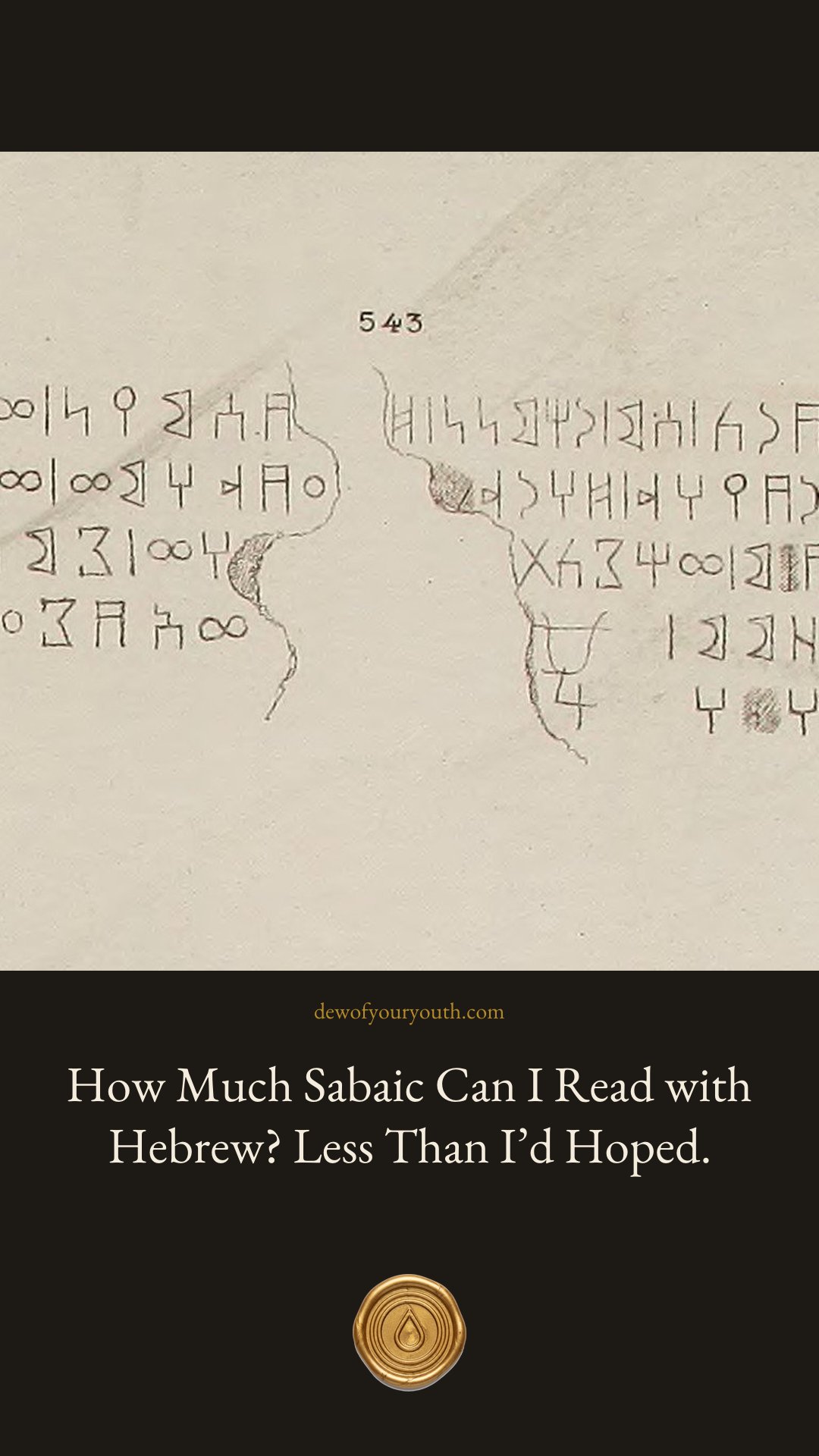
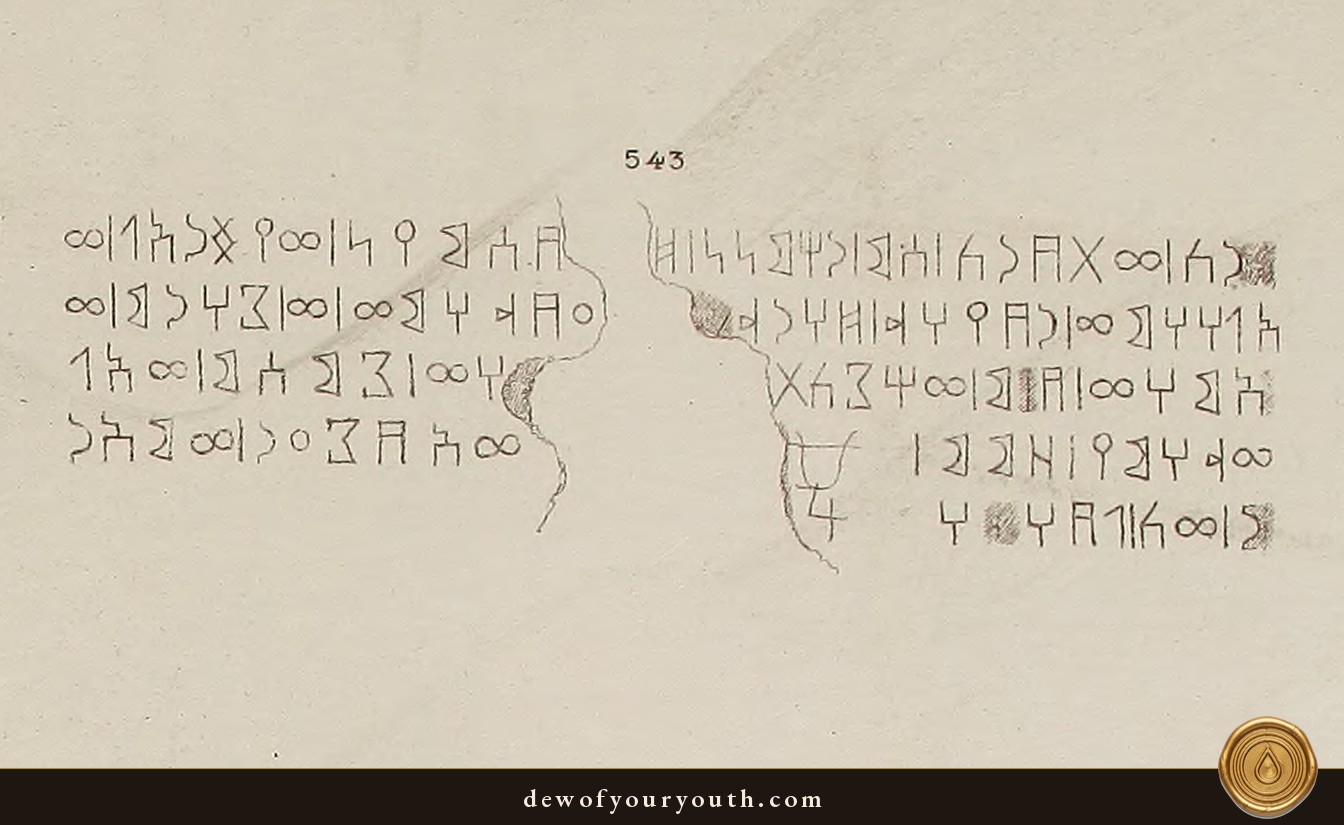
The text I attempted was CIH 543, a fragmentary Jewish inscription from Ẓafār, the ancient capital of Ḥimyar. It is written in Late Sabaic and is not explicitly dated; one scholarly estimate places it in the second half of the fifth century CE.1
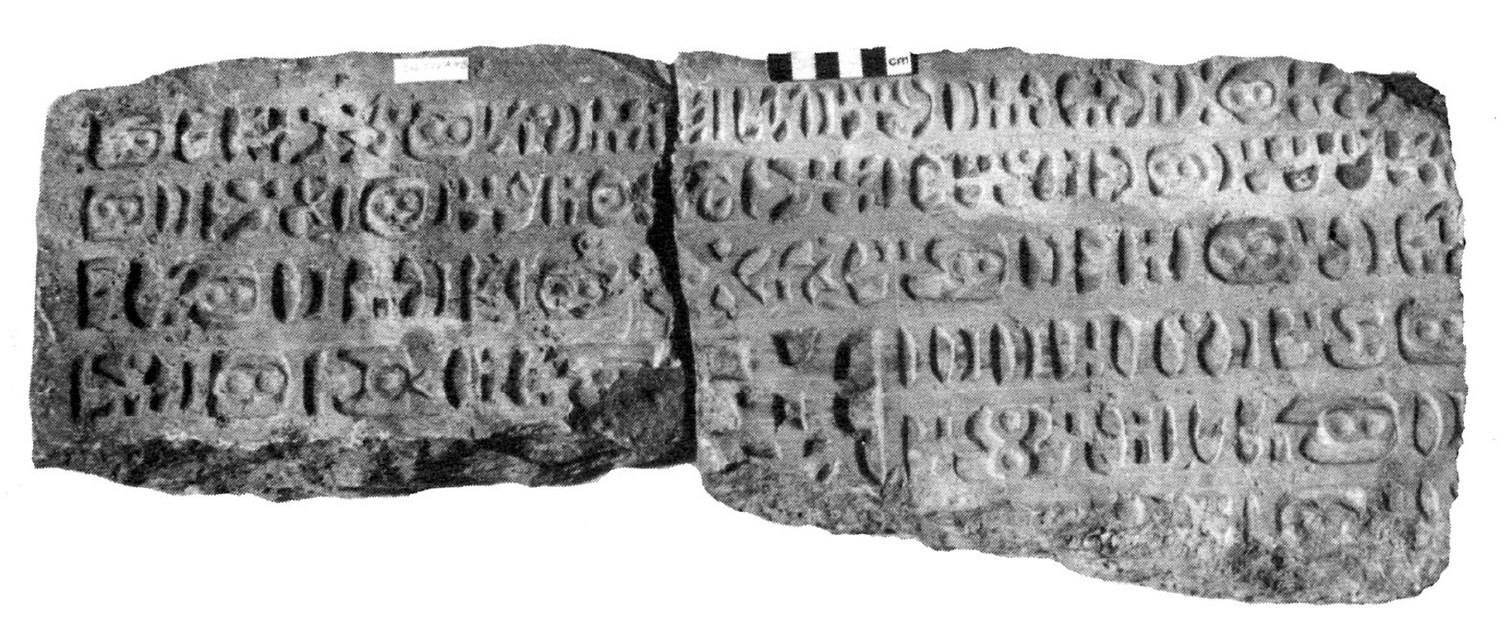
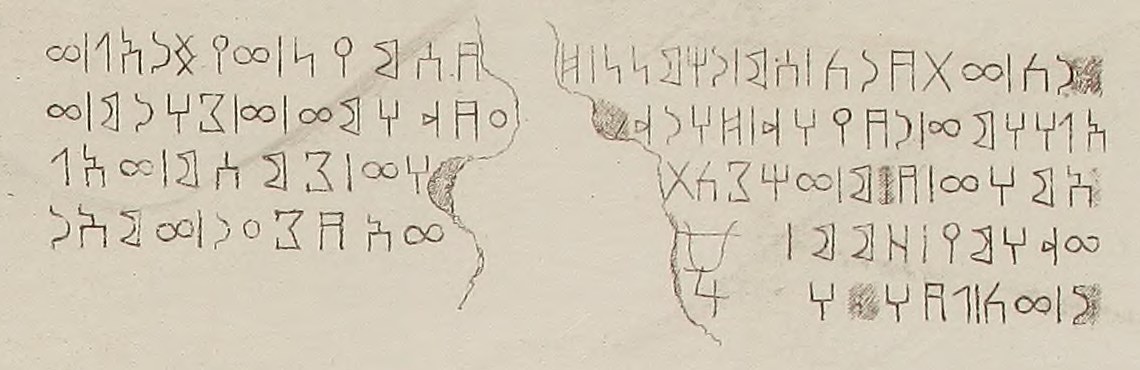
Here is the text, with a rendering in Hebrew letters alongside the South Arabian script:
| Line | South Arabian letters | Same consonants in Hebrew letters |
|---|---|---|
| 1 | [𐩨]𐩧𐩫 𐩥𐩩𐩨𐩧𐩫 𐩪𐩣 𐩧𐩢𐩣𐩬𐩬 𐩹𐩨𐩪𐩣𐩺𐩬 𐩥𐩺𐩯𐩧𐩱𐩡 𐩥 | [ב]רך ותברך סמ רחמנן ד׳בסמין וישׂראל ו־ |
| 2 | 𐩱𐩡𐩠𐩠𐩣𐩥 𐩧𐩨𐩺𐩠𐩵 𐩹𐩠𐩧𐩵(𐩱) 𐩲𐩨𐩵𐩠𐩣𐩥 𐩦𐩠𐩧𐩣 𐩥 | אלה־המו רב־יהד ד׳הרד(א) עבד־המו שׁהרם ו־ |
| 3 | 𐩱𐩣𐩠𐩥 𐩨𐩵𐩣 𐩥𐩢𐩦𐩫𐩩𐩠𐩥 𐩦𐩣𐩪𐩣 𐩥𐩱𐩡־ | אם־הו בדם וחשׁכת־הו שׁמסם ואל־ |
| 4 | 𐩥𐩵𐩠𐩣𐩺 𐩳𐩣𐩣 𐩥𐩱𐩨𐩦𐩲𐩧 (𐩥)𐩣𐩮𐩧־ | וד־המי ד̣מם ואבשׁער (ו)מצר־ |
| 5 | 𐩣 𐩥𐩫𐩡 𐩨𐩠𐩻𐩠 […] | ם וכל בהת׳־ה[…] |
| 6 | [.]𐩥[…] | [.]ו[…] |
The Hebrew column is a transliteration, not a translation. Marks such as ד׳, ד̣, and ת׳ distinguish consonants that do not have straightforward equivalents in modern Hebrew. The script does not supply the vowels; brackets mark restored or missing text, and parentheses mark uncertain readings.
If you watch the video, you will see that my ability to figure out what was actually being communicated was questionable, to say the least. I could recognize that we were blessing God and that Israel was involved. Getting much beyond that was difficult.
In my defense, I did suspect that quite a few of the words confusing me were people’s names. This turned out to be correct.
The inscription names a man, Shahrum, his mother, Bdm, his wife, Shamsum, and their children, Ḍmm, Abīshaʿar, and Miṣrum. The vowels supplied for some of these names are reconstructions.2
These may have been perfectly ordinary names in their setting. They were not ordinary names to me. If you do not know where the names stop and the rest of the sentence begins, you can spend quite a while trying to extract a grammatical meaning from somebody’s mother.
Once someone explains the text, it becomes easier to follow. God has helped his servant; we then get the man’s name, his mother, his wife, and their children. The closing fragment mentions the wider household or relatives, though the precise interpretation varies between translations.3 Had I known which words were names, I think I would have had a better chance of working out the words around them. Of course, it is easy to say that after looking at the translation.
I did pick up a few things. Rb-Yhd is understood as “Lord of the Jews,” and I recognized something of that meaning. I also guessed that hrdʾ had something to do with helping, which was broadly correct.2 So I was not completely lost. Just mostly.
I wonder whether a native Arabic speaker would find this easier. Some of the words and forms might be more familiar to them, but I would want to try the experiment rather than assume the answer. Knowing a related language clearly helps. How much it helps is what I am trying to find out.
One word that stopped me was ḥs²kt-hw, translated as “his wife.” Looking at it, I wondered whether it might have something to do with Hebrew חשק, desire or attachment. Perhaps something like “his beloved”?
I do not know. The translation “his wife” is supported by the scholarly readings; the connection to Hebrew is just a guess on my part.2 I would be interested to know the actual etymology. And I am not sure that knowing Arabic would have helped me with that particular word either.
For all the difficulty I had reading it, I like that this fragment gives us a man and his family, named individually, in an acknowledgment of divine help. I just wish I had realized sooner how much of it was the family introducing themselves.
Featured image: detail of the hand copy of CIH 543 in the Corpus Inscriptionum Semiticarum, Pars IV, Tab. XXIII (Paris, 1920), cropped, public domain, via the Internet Archive.
George Hatke, Late Antique Arabia and the Rise of Islam (Part I), presentation, section on CIH 543. Hatke gives the provenance as Ẓafār and an approximate date in the second half of the fifth century CE. ↩︎
See the text and translation in Christian Julien Robin’s study of Judaism in Ḥimyar, discussion of CIH 543, and Hatke’s presentation linked above. The scholarly transliteration uses s² for the consonant represented by שׁ in the Hebrew column. ↩︎ ↩︎ ↩︎
Hatke translates the final phrase as “all of her relatives(?)”; his discussion of Late Sabaic family dedications, p. 310, note 69, describes CIH 543 as naming a man, his mother, wife, children, and household members. ↩︎