Sefirah and Lag BaOmer III: The Arizal at Meron

To recap, here is a general timeline of the development of the mourning customs during the days of Sefiras HaOmer:
Some time during the first century CE
Rabbi Akiva’s students all die during a period between Passover and Shavous
Sixth Century
The Talmud records the story as an example of Rabbi Akiva’s teaching that if you taught students when you were young, you should teach students when you’re old.
Ninth Century
Rav Natronei Gaon claims this to be the reasoning behind an apparently longstanding custom to not marry during Sefiras HaOmer.
Eleventh Century
The Ri ibn Giat cites two different customs:
- To refrain from marrying from Passover to Shavous.
- To refrain from marrying and haircuts from Passover to Lag BaOmer. (This is the first mention of cutting hair or Lag BaOmer from what we’ve seen.)
Twelfth Century
Rabbeinu Zerachiah ha-Levi of Girona cites a rationale for the custom based on a textual variation which says that the students of Rabbi Akiva stopped dying 15 days before Shavous.
Fourteenth Century
Rabbeinu David Abudraham & Rabbeinu Yaakov Ba’al Haturim record this as a matter of law.
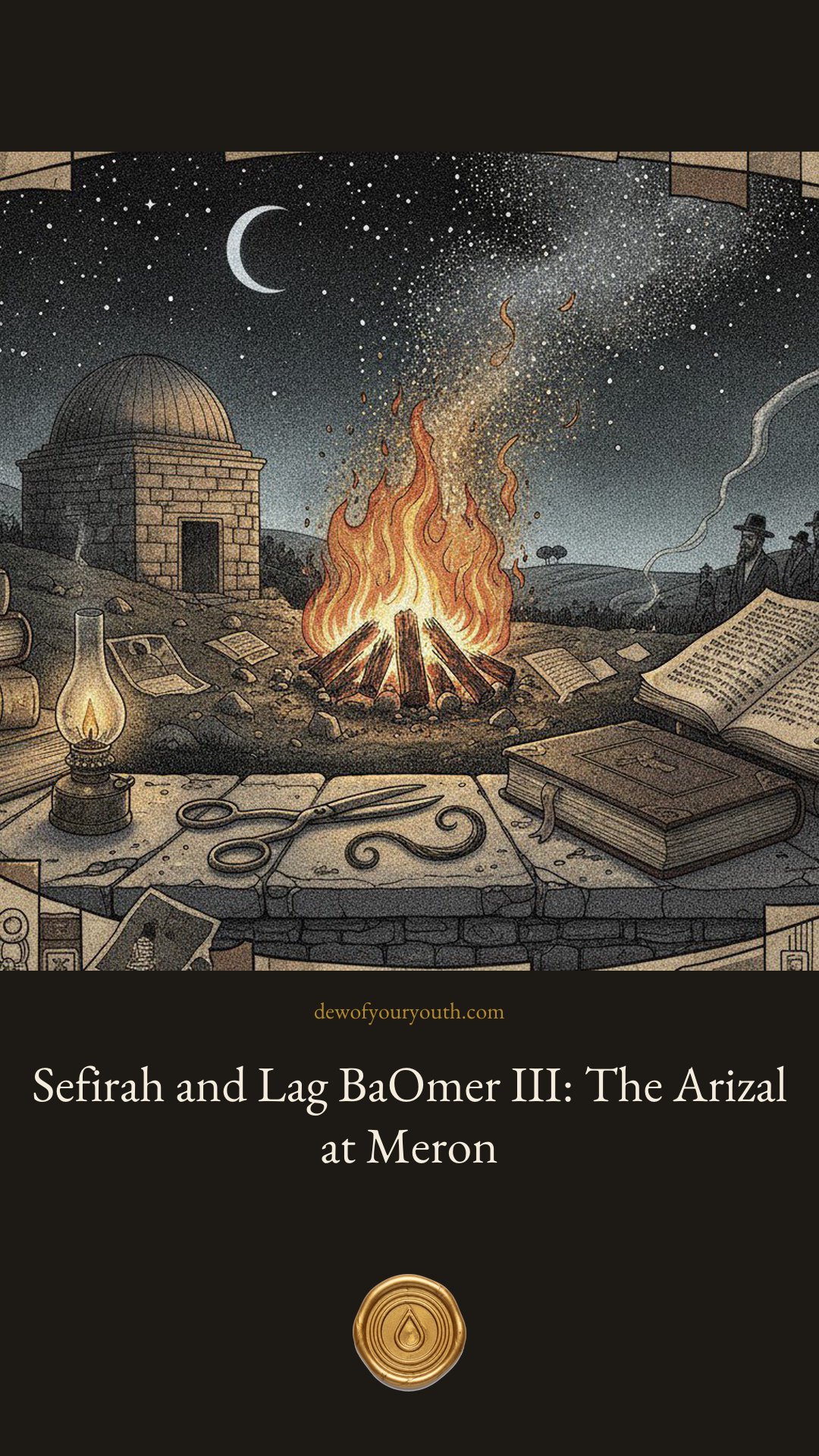
So the first mention of Lag BaOmer that I’m aware of is in the eleventh century. That said, Lag BaOmer is not yet a day of celebration there; it is just the day the students of Rabbi Akiva stopped dying, according to the Spanish manuscript. However, it seems that by the time of the Arizal (Sixteenth Century) it was already claimed to be a longstanding custom to go to Meron on Lag BaOmer.
Rabbi Chaim Vital writes in שער הכוונות – דרושי הפסח דרוש יב:
ענין מנהג ללכת ביום ל”ג לעומר על קברי רשב”י ור”א בנו
ענין מנהג שנהגו ישראל ללכת ביום ל”ג לעומר על קברי רשב”י ור”א בנו אשר קבורים בעיר מירון כנודע ואוכלים ושותים ושמחים שם. אני ראיתי למורי ז”ל שהלך לשם פעם אחד ביום ל”ג לעומר, הוא וכל אנשי ביתו, וישב שם שלשה ימים ראשונים של השבוע ההוא, וזה היה פעם הא’ שבא ממצרים. אבל אין אני יודע אם אז היה בקי ויודע בחכמה הזו הנפלאה שהשיג אח”כ. והה”ר יונתן שאגי”ש העיד לי שבשנה הא’ קודם שהלכתי אני אצלו ללמוד עם מורי ז”ל שהוליך את בנו הקטן שם עם כל אנשי ביתו ושם גילחו את ראשו כמנהג הידוע ועשה שם יום משתה ושמחה.
גם העיד הה”ר אברהם הלוי כי בשנה הנזכר הלך גם הוא שם והיה נוהג לומר בכל יום בברכת תשכון “נחם ה’ אלקינו את אבלי ציון כולי”, וגם בהיותו שם אמר נחם כו’. ואחר שגמר העמידה אמר לו מורי ז”ל כי ראה בהקיץ את רשב”י ע”ה עומד על קברו ואמר לו “אמור אל האיש הזה אברהם הלוי כי למה אומר נחם ביום שמחתינו והנה לכן הוא יהיה בנחמה בקרוב”. ולא יצא חדש ימים עד שמת לו בן א’ וקבל עליו תנחומין. וכתבתי כל זה להורות כי יש שרש במנהג הזה הנזכר. ובפרט כי רשב”י ע”ה הוא מחמשה תלמידיו הגדולים של ר”ע ולכן זמן שמחתו ביום ל”ג לעומר כפי מה שביאר לעיל ביום ל”ג לעומר:
The Custom of going on Lag BaOmer to stand at the graves of Rabbi Shimon bar Yochai and Rabbi Elozar his son.
Regarding the custom that Jews have accustomed themselves to go on Lag BaOmer to stand at the graves of Rabbi Shimon bar Yochai and Rav Elozar his son who are buried in the city of Meron, as is known, and to eat, drink and be merry there. I saw my teacher ob”m that he went there once on Lag BaOmer, he and all of the people in his household, and stayed there the first three days of that week, this was the first time, when he had come from Egypt – but I do not know if by then he was an expert and knowledgeable in the great wisdom (referring to the Kabbalah) that he later attained…
Also, Rabbi Avraham HaLevi testified that in that same year he went there too, and he had the custom to say every day in the blessing of vatishkon (in the Sephardic amida; for Ashkenazim the bracha starts velirushalayim) “Console, Hashem our God, the mourners of Zion…”, and he said it there too. After he finished the amida my teacher told him that he saw, while awake, Rabbi Shimon bar Yochai peace be upon him – standing at his grave – and he told him “tell that man Avraham HaLevi: why does he say ‘console’ on the day of our rejoicing? He shall soon be in need of consolation.” In less than a month his son died. I have written all this to demonstrate that there is a root to this custom. Particularly, that Rabbi Shimon was of the five greatest students of Rabbi Akiva, thus our day of rejoicing is Lag BaOmer, as we have mentioned earlier.
The earlier section that he is referring to is a rather esoteric explanation as to why the students of Rabbi Akiva stopped dying on Lag BaOmer and not one I feel I should be translating. Suffice it to say he does not mention there any claim that Rabbi Shimon bar Yochai died. Here is the relevant section he is referring to:
ענין ל”ג לעומר שאסור בהספד ותענית ובנפילת אפים. דע כי הנה מ”ט ימי העומר הם ימי הדין כנ”ל, שהם סוד הש”ך דינים המתמתקים בימים האלו בענין העומר. והטעם הוא לפי שעדיין ז”א הוא כל מ”ט ימים אלו בבחינת קטנות עד חג השבועות. ובזה יתבאר טעם ענין מיתת כ”ד אלף תלמידי רבי עקיבא בימים האלו, והטעם למה פסקו למות בל”ג לעומר.
דע כי רבי עקיבא ע”ה — שורש נשמתו היתה מן הה’ גבורות בהיותם בשרשם למעלה בדעת דז”א, ולא בבחינת התפשטותם למטה לגופא. והנה הוא בסוד הדעת — בין בסוד הגדלות בין בזמן הקטנות (כמש”ל בענין מרע”ה שנאמר בו וינס משה מפניו וע”ש בענין קריעת י”ס). והנה נודע כי הדעת דקטנות גם הוא כלול מחסד וגבורה וב’ עטרין אלו הם שם ‘אלהים’ דמילוי אלפין; אלא שה’אלהים’ דחסד — האלף דמילוי הה”א שבו הוא בציור יו”י, ושל הגבורה בציור יו”ד (כנ”ל בדרוש א’ בענין ב’ כוסות דליל פסח הג’ והד’, ועיי”ש).
ולכן נקרא עקיבא. כי ג’ אותיות עקב הם בגימטריה ב’ שמות אלהים; דחסד וגבורה. וב’ אותיות י”א מן עקיבא — הוא בחינת שני ציורי האלפין כנזכר; כי של החסד הם ציור יו”י שהוא צורה אות א’ ושל הגבורה הוא בציור יו”ד דעקיבא במילואה. ונמצא כי ב’ אותיות י”א של עקיבא הם ב’ ציורי אלפין של ב’ אלהים הרמוזים בג’ אותיות עק”ב מן עקיבא.
והנה רבי עקיבא הוא היה אב ורבי לכל הנשמות הנמשכות מאלו הגבורות המתפשטים בגופא דז”א לפי שהוא כללות הדעת העליון למעלה בשרשו ובמקומו. אבל תלמידיו הם בחי’ הגבורות המתפשטות ממנו ומתפשטים בגופא דז”א. ולפי שהקטנות קודם אל זמן הגדלות — לכן הקדימו בתחילה אותם הכ”ד אלף תלמידים שהיו לו בבחרותו מגבת ועד אנטיפרס כמש”ר רז”ל.
וטעם היות מספרם כ”ד אלף לפי שהדעת של הקטנות הוא שם ‘אלקים’ כנזכר והוא מצטרף לק”ך צירופים כנודע (כי כל תיבה בת ה’ אותיות בונה ק”ך בתים). ונמצא כי יש בהם כ”ד צירופים מתחיל באות א’, וכ”ד מתחילים באות ל’ כו’. ואלו הכ”ד אלף תלמידים כולם היו מבחינת כ”ד צירופים הא’ של אלקים הראשון שבעטרא דגבורה המתפשט בגופא דז”א וכולן מתחילות באות אלף כי אַלֶף ואֶלֶף – הכל אחד. גם זולת זה נודע כי שם ‘אלהים’ במילוי ההין בריבועו עולה בגימטריה אלף . והרי ב’ טעמים למה היה מספרם כ”ד אלף. ולסיבת היותם ממוחין דקטנות לכן היו מבחינת הדינין הקשין והיו קנטרנין ושונאין זה את זה כמו שאמרו ז”ל שלא היו נוהגין כבוד זה לזה. וכאשר באו ימי העומר שבין פסח לעצרת — שאז הוא זמן קטנות ז”א, והם ימי הדין כנ”ל, ואז הוא זמן יניקת החיצונים — לכן פגעה בהם אז מדת הדין של הקטנות על שלא נהגו כבוד זל”ז ומתו בימים ההם בהיותם קטנים ולא הגיעו להגדיל ולהאריך ימים לסיבה הנזכר.
ובבוא יום ל”ג לעומר — אז נתגלה קטנות ב’ של אימא שהוא שם אכדט”ם אשר באימא, והנה הוא חילוף שם ‘אלהים’ אשר הוא בחינת רחמים בסוד אלקים חיים (כנ”ל בדרוש הא’ של פסח). והנה ה’ אותיות אכדט”ם הם סוד ה’ גבורות דגדלות, ועל זה אמר הכתוב בטחו בה’ עדי ע”ד — כי הוא באימא עילאה והוא רחמים, ולכן בו תלוי הבטחון. וכבר נתבאר לעיל כי נדרש בספר הזהר בפר’ וארא על בינה עילאה שהוא שם אכדט”ם והוא רחמים.
The main point here is that the claim being made is that this was a longstanding custom to celebrate Lag BaOmer, rather than an innovation of Rabbi Isaac Luria. The Arizal claims to only be explaining an existing custom and sanctioning it. Indeed it seems that even before the Arizal was known to be knowledgeable of hidden secrets of Torah (but apparently not before he was visited by dead rabbis while awake) he was already following this custom. This is different from other customs which are clearly explained as innovations of the Arizal.
Next we shall explore some other explanations for these customs.