Can I Speak Aramaic on the Fly?
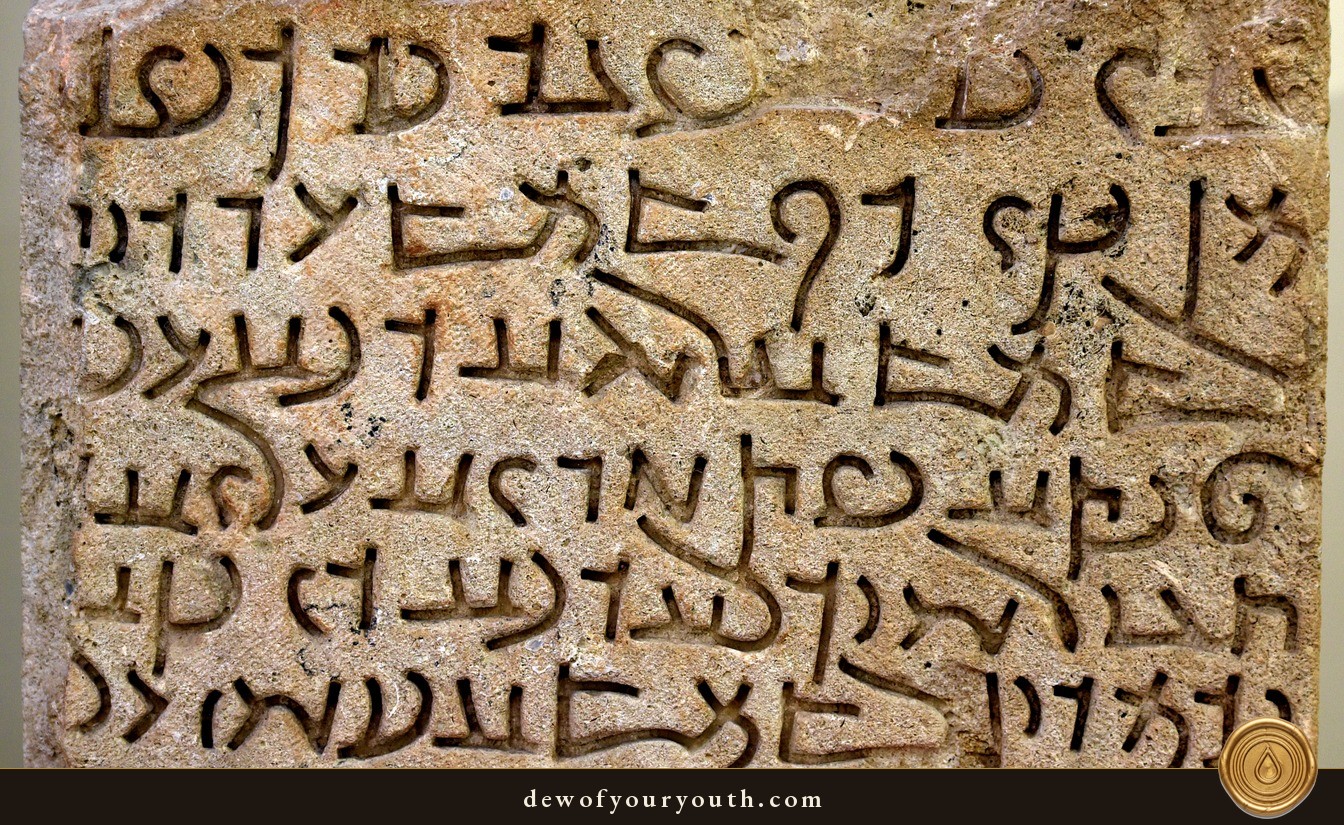
On my Christian Urmi video, @jacob_and_william asked in the comments if I could try speaking Aramaic myself, and guessed that it would come out as a hodgepodge of dialects. Which is fair enough, because I picked up my Aramaic from a lot of different places. I was curious which of them would win out when I actually had to produce something, the The rabbis’ extended discussion of the Mishnah; together the two make up the Talmud., or Targum Onkelos: the standard Aramaic translation of the Torah, traditionally read alongside the Hebrew each week., the Aramaic translation of the Torah.
I read Onkelos every week. There’s a practice called Shnayim mikra ve’echad targum, “twice Scripture and once translation”: reading the weekly Torah portion twice in Hebrew and once in Onkelos’s Aramaic., where you go through the weekly Torah portion twice in the Hebrew and once in the Aramaic translation. Since the Hebrew is easier for me, by the time I get to the Onkelos I already know what the verse is saying, and a lot of the time I’m more or less reciting it. So I’ve had a lot of steady exposure, but it isn’t the Aramaic I’ve had to work the hardest at.
With the Gemara it’s the opposite. It goes back and forth between Hebrew and Aramaic, and I put much more effort into figuring out what it’s saying. My guess was that if I had to come up with sentences on the spot, it would sound more like the The Babylonian Talmud, compiled in the academies of Babylonia (c. 500 CE): the Talmud usually studied., the Babylonian Talmud, since that’s the Aramaic I’ve had to wrestle with.
How I did it
So I took The Greek teller of fables (6th century BCE, by tradition); stories like The North Wind and the Sun circulate under his name.’s North Wind and the Sun and translated it out loud, a phrase at a time, without looking anything up. I didn’t want to be the only judge of how it went, so before I started, I gave ChatGPT a rubric to grade the transcript with. Did I get the story across, did I have the right words, were they in the right forms, did it sound natural, and how much did the grammar sound like the Aramaic I was going for. The first time I had it grade against Onkelos, and then I gave it the same transcript again against the Bavli, to see what would change.
You are grading a translation of Aesop’s “The North Wind and the Sun” (IPA English version, below) into Jewish Babylonian Aramaic (JBA) — the Aramaic of the Babylonian Talmud (Bavli).
Score STRICTLY by this rubric. Do not adjust weights or add categories.
Meaning (25): -3 per dropped/added clause, -1 per minor distortion.
Lexicon (25): list every content word and classify it: Bavli Aramaic with this meaning = 1.0 (Hebrew loanwords that the Bavli actually uses inside Aramaic passages count as Bavli) Targumic / Jewish Literary Aramaic (Onkelos, Jonathan) = 0.75 Other Aramaic (Syriac, Galilean, Samaritan, etc.) = 0.5 Hebrew word with Aramaic morphology = 0 Unattested/invented = 0 Score = 25 × (sum of credits ÷ number of content words), rounded.
Morphology (25): -2 per wrong verb form (stem, tense, person), -1 per agreement, state, or suffix error. Floor 0. A form that is correct in Onkelos but not the Bavli is NOT a morphology error; it is scored under Register.
Syntax & idiom (15): -2 per construction no Bavli passage would use, -1 per awkward-but-possible one. Floor 0.
Register (10): grammatical forms only (not vocabulary): -1 per Targumic form (e.g. י־ prefix for “he will” where the Bavli uses נ־/ל־; דין/אלין for “this/these”; regular ית as the object marker where the Bavli uses a suffix or ל; emphatic -ā/-ayyā plural where the Bavli has -ē) -2 per Hebrew form (e.g. ה־ article, אשר, Hebrew verb pattern) Floor 0.
Valid alternatives are full credit. If unsure whether a form is attested, mark “uncertain” and do not deduct.
Report:
- TOTAL: x/100
- RATING: total ÷ 20, rounded to nearest ½, as “Official rating, scientifically indefensible: X out of 5 cloaks removed”
- HEBREW WORDS IN ARAMAIC CLOAKS: n — list each with the Bavli word
- IMPORTED FROM ONKELOS: n — list each Targumic word or form with the Bavli equivalent
- Category scores, one-line justification each
- Line-by-line table: original | corrected | reason
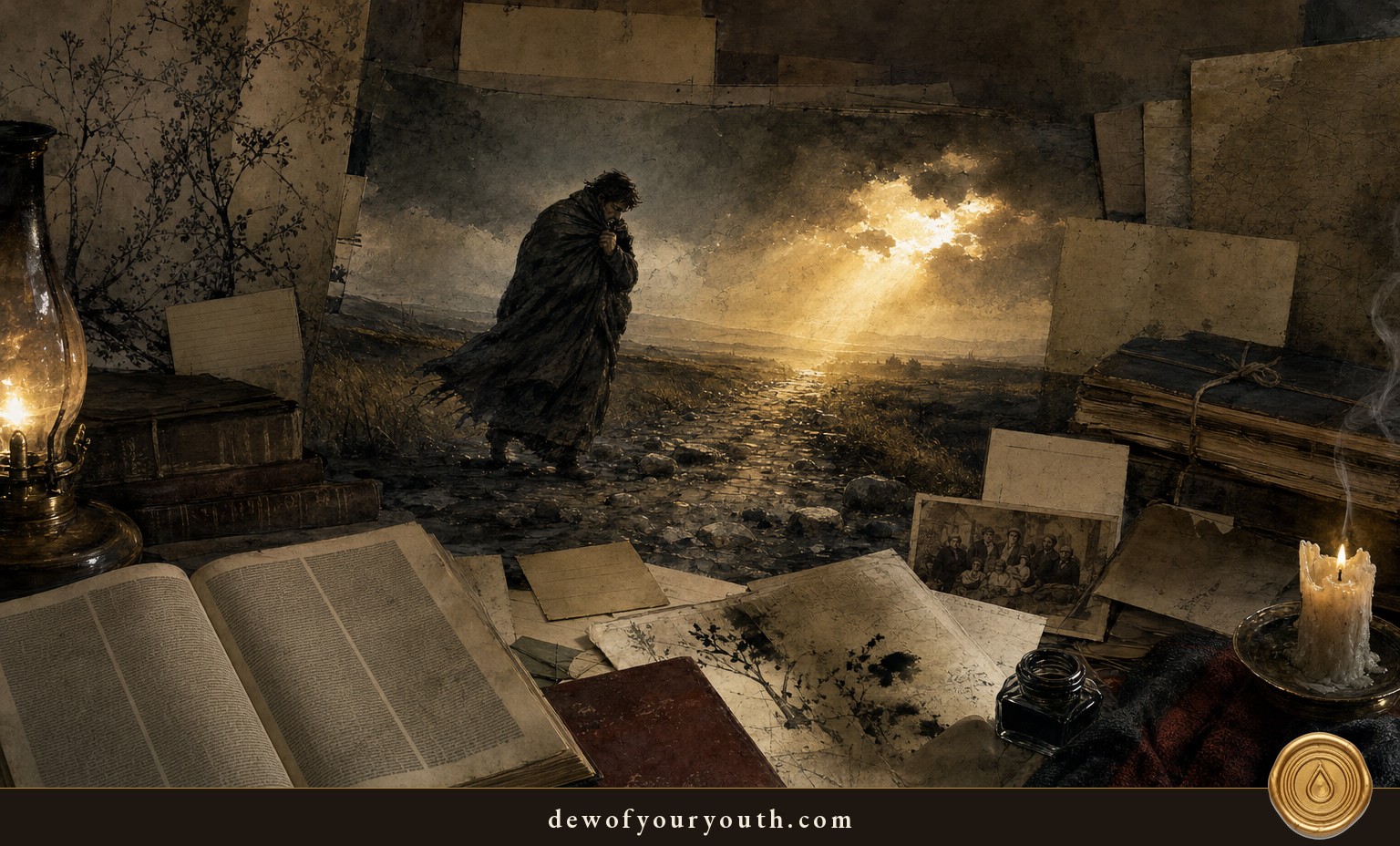
SOURCE: The North Wind and the Sun were disputing which was the stronger, when a traveler came along wrapped in a warm cloak. They agreed that the one who first succeeded in making the traveler take his cloak off should be considered stronger than the other. Then the North Wind blew as hard as he could, but the more he blew the more closely did the traveler fold his cloak around him; and at last the North Wind gave up the attempt. Then the Sun shined out warmly, and immediately the traveler took off his cloak. And so the North Wind was obliged to confess that the Sun was the stronger of the two.
TRANSLATION: [paste yours]
The cold attempt took me about three minutes, which I know because I timed it. Apparently I didn’t record it, though, so the video has me reading back what I came up with at about the same pace as the first attempt. My pronunciation goes back and forth between American An academy for advanced Torah and Talmud study. pronunciation and Israeli Hebrew, and I’m aware of it. Practically all of my mental effort went into coming up with the Aramaic, so once I had a word I said it however it came out and went on.
In the tables, the first column is the English and the second is what I said. After that there are two corrected versions that ChatGPT made, one in Jewish Literary Aramaic: the standardized Aramaic of Targum Onkelos and Targum Jonathan, more formal than the Babylonian Talmud’s. (JLA), which is the Aramaic of Onkelos, and one in the Aramaic of the Bavli, and then my notes. Then I had Claude check ChatGPT’s work, and funnily enough the Onkelos version had some Bavli mixed into it too. It had ההוא before גברא, where Onkelos puts it after, and פשט for taking off the cloak, where Onkelos says שלח, so I fixed those in the table.
The dispute
| English | My Aramaic | Corrected JLA | Fully Bavli | Notes |
|---|---|---|---|---|
| 01. The North Wind and the Sun were disputing | רוחא דצפונא ושמשא הוו קא נצו | רוח צפונא ושמשא הוו נצן | רוחא דצפונא ושמשא הוו קא מינצו | הוו קא נצו already gives the opening a Bavli sound. |
| 02. which was the stronger, | איי מינייהו תקיף | מן מנהון תקיף יתיר | הי מינייהו תקיף טפי | איי may just be הי with the initial h dropped in my Israeli pronunciation. I also wondered about a The Jerusalem Talmud, compiled in the Land of Israel (c. 400 CE) in a western Aramaic dialect. echo. |
| 03. when a traveler came along | ואתא ההוא גברא דהוה קא אזיל בארחא | כד אתא חד גברא דהוה אזיל באורחא | בהדי דהוו קא מינצו אתא ההוא גברא דהוה קא אזיל באורחא | I said “and a man came who was walking down the road.” The English makes his arrival part of the timing of the dispute. |
| 04. wrapped in a warm cloak. | עטיף בגלימא חמימא | מתעטף בכסותא חמימתא | דהוה מיעטף בגלימא חמימתא | I kept גלימא throughout. It’s one of the clearest vocabulary differences between the two comparison versions. |
| 05. They agreed | קיימו בינייהו | ואתרצו תרויהון | אתנו בהדדי | I used בינייהו for “between themselves.” The Bavli version makes the agreement a stipulation with אתנו. |
| 06. that the one who first succeeded | מאן דהוה קא מצלח ברישא | דמן דיקדים ויכול | דמאן דמצי ברישא | I kept “succeeded” explicit with מצלח. Both comparison versions use a verb meaning “could” or “was able.” |
| 07. in making the traveler take his cloak off | וקא גרים לההוא גברא דיפשט גלימתיה | למעבד דישלח גברא ההוא ית כסותיה | למגרם ליה לההוא גברא דליפשוט גלימיה | I used גרים to make the causation explicit. The Bavli version keeps the same root and makes it depend directly on “was able.” |
| 08. should be considered stronger than the other. | יתחשב תקיף מן חבריה | יתחשב תקיף מן חבריה | ההוא ליחשב תקיף טפי מחבריה | My wording is identical to the JLA version here. The Bavli version makes “more” explicit with טפי. |
The wind
| English | My Aramaic | Corrected JLA | Fully Bavli | Notes |
|---|---|---|---|---|
| 09. Then the North Wind blew as hard as he could, | בתר הכי רוחא דצפונא נשף בכל חיליה | בכן נשבת רוח צפונא בכל חילה | בתר הכי נשבה רוחא דצפונא בכוליה חילה | “With all his strength” gets the English across. I treated the wind as masculine here. Both comparison versions treat רוח as feminine. |
| 10. but the more he blew | אבל כל מאי דהוה קא נשף | ברם כל מה דהות נשבא יתיר | אלא כל כמה דהות קא נשבה טפי | I started a “the more he blew” construction. Read this together with the next line to see where the comparison drops away. |
| 11. the more closely did the traveler fold his cloak around him; | ההוא גברא הוה קא מעטף בגלימתיה טובא | כן הוה גברא ההוא מהדק ית כסותיה עלוהי יתיר | הכי נמי הוה ההוא גברא קא מהדק גלימיה עילויה טפי | טובא gives “a lot.” The English needs “more tightly” in proportion to how hard the wind blows. |
| 12. and at last the North Wind gave up the attempt. | ובסוף שבקיה רוחא דצפונא והוה קא מוותר | ובסופא שבקת רוח צפונא מלמנשב | לסוף פסקה רוחא דצפונא מלמינשב | I used both שבקיה and מוותר to get “gave up” across. The comparison versions say what the wind stopped doing. |
The sun
| English | My Aramaic | Corrected JLA | Fully Bavli | Notes |
|---|---|---|---|---|
| 13. Then the Sun shined out warmly, | בתר דהכי הוה זרח שמשא חמימא | בכן דנח שמשא ואחים ליה | בתר הכי נפק שמשא ואחים ליה | I tried to keep “shone” and “warmly” together. חמימא reads more readily as “warm,” describing the sun itself. זרח is Hebrew; the Aramaic is דנח, as in Onkelos on Genesis 32:32. |
| 14. and immediately the traveler took off his cloak. | וההוא גברא פשיט גלימיה לאלתר | ומן יד שלח גברא ההוא ית כסותיה | ומיד פשט ההוא גברא גלימיה | I used לאלתר for “immediately.” The Bavli version could keep that choice too. For taking off clothes, Onkelos uses שלח rather than פשט. |
| 15. And so the North Wind was obliged to confess | ובכן אודי ליה רוחא דצפונא בעל כורחיה | ובכן אודיאת רוח צפונא בעל כרחה | בעל כורחה אודיא ליה רוחא דצפונא | I rendered “was obliged to” as “against his will,” using masculine כורחיה for the wind. |
| 16. that the Sun was the stronger of the two. | דשמשא תקיף מינה | דשמשא תקיף מינה | דשמשא תקיף טפי מינה | On the cold take I said דשמשא תקיף מן תרוייהו, trying to keep “of the two.” That can read “stronger than both.” On the video read-through I said דשמשא תקיף מינה, making the wind the point of comparison. Since I treated the wind as masculine everywhere else, it should really have been מיניה. |
How much Gemara came out
So how much Gemara came out? Against the Bavli, ChatGPT gave the cold attempt 93 out of 100, and against Onkelos it gave it 85. That’s from one pass each on the transcript I typed up from the cold take, so I wouldn’t put too much weight on the exact numbers. I also gave Claude the same rubric afterwards, and it was a lot stricter about the forms, so it came out at 75. On the vocabulary alone it gave me 24 out of 25, which is about where ChatGPT had me. Here’s what it said, in its own words:
This score is from Claude (Anthropic), grading the cold take, with the original last line, strictly by the rubric above, against the Bavli.
Total: 75/100. Official rating, scientifically indefensible: 4 out of 5 cloaks removed (75 ÷ 20 = 3.75, rounded to the nearest half).
Six of the points lost depend on רוחא being feminine in the Bavli, as it is in Onkelos and Biblical Aramaic. I couldn’t confirm that for the Bavli, and the rubric says not to deduct when unsure; without those deductions the total is 81, which is still 4 cloaks.
| Category | Score | Deductions |
|---|---|---|
| Meaning | 20/25 | −1 each for five small distortions: “stronger” with no comparison (line 2), the “when” of the traveler’s arrival (3), “the more… the more closely” (10–11), “warmly” turned into a warm sun (13), “stronger than both of them” (16) |
| Lexicon | 24/25 | 49 content words: 47 Bavli (1.0), קיימו in the sense of making a pact (0.75), זרח (0). 47.75 ÷ 49 × 25 = 24.4 |
| Morphology | 15/25 | −2 מעטף for the reflexive מיעטף; −1 twice for גלימתיה instead of גלימיה; −1 six times for the wind as masculine (נשף twice, חיליה, שבקיה, אודי, כורחיה) |
| Syntax & idiom | 8/15 | −1 each for seven awkward-but-possible constructions: איי מינייהו without טפי, קיימו בינייהו, וקא גרים after the relative clause, the unfinished “the more…”, הוה קא מוותר after a finished action, בתר דהכי, זרח שמשא חמימא for “shone warmly” |
| Register | 8/10 | −1 each for the Targumic י־ prefix in יתחשב and דיפשט |
| Total | 75/100 |
Hebrew words in Aramaic cloaks: 1. זרח; the Targum has דנח, and the Bavli version above uses נפק.
Imported from Onkelos: 4. ובכן (the Bavli version simply drops it), יתחשב → ליחשב, דיפשט → דליפשוט, and קיימו בינייהו → אתנו בהדדי.
Words I checked in the Bavli before scoring and gave full credit: מצלח (Horayot 12a), מוותר (Sanhedrin 81b), נשף (Berakhot 3b), גלימיה (Shabbat 10a), אבל (e.g. Shabbat 117b) and פשט.
| Original | Corrected | Reason |
|---|---|---|
| איי מינייהו תקיף | הי מינייהו תקיף טפי | comparative |
| קיימו בינייהו | אתנו בהדדי | Bavli idiom for a stipulation |
| וקא גרים… דיפשט גלימתיה | דמצי למיגרם… דליפשוט גלימיה | jussive with ל־; suffix |
| יתחשב | ליחשב | Targumic י־ prefix |
| נשף בכל חיליה | נשבה בכל חילה | feminine wind; נשב זיקא is in Bava Metzia 86a |
| ההוא גברא הוה קא מעטף בגלימתיה טובא | ההוא גברא הוה קא מיעטף בגלימיה טפי | reflexive stem; “more” |
| ובסוף שבקיה… והוה קא מוותר | ובסוף שבקה… ופסקה | feminine; a finished action |
| בתר דהכי הוה זרח שמשא חמימא | בתר הכי נפק שמשא ואחים ליה | Hebrew root; idiom |
| אודי… בעל כורחיה | אודיא… בעל כורחה | feminine |
| דשמשא תקיף מן תרוייהו | דשמשא תקיף טפי מינה | the sun was one of the two |
Going through my column, I count ההוא גברא four times, plus מינייהו, בתר הכי, טובא, לאלתר and גלימא, which are all Bavli. Then יתחשב תקיף מן חבריה is straight Onkelos, it’s word for word the same as the JLA version, and so are ובכן and מצלח. The one place where I couldn’t come up with the Aramaic quickly enough was the sunrise, so I just used the Hebrew זרח, where Onkelos has דנח. So there’s some hodgepodge in there, like the commenter said, but it’s a hodgepodge that’s mostly Gemara.
I think the thing that gave me away was ka, קא. It’s a small word and you don’t notice it much when you’re learning, but in the Gemara, when somebody is in the middle of doing something, it’s hava ka and then a verb. Apparently that’s how I talk too. The man walking on the road, the man wrapping himself up, the wind blowing, all of it came out with ka, seven times in under three minutes, and you won’t find that in Onkelos.
My favorite mistake was the last line. I was trying to hold on to “of the two,” so I said דשמשא תקיף מן תרוייהו, which can mean that the sun was stronger than both of them. That’s an impressive thing for the sun to pull off, considering it was one of them. When I read it back for the video, I said מינה instead, that the sun was stronger than the wind.