An Aramaic Lightning Round: Ten Texts from Elephantine to Mandaic
The Aramaic I know from The rabbis’ extended discussion of the Mishnah; together the two make up the Talmud. gives me a way into quite a few other forms of the language. How far it takes me varies considerably. The The Jerusalem Talmud, compiled in the Land of Israel (c. 400 CE) in a western Aramaic dialect. feels like home. The Aramaic dialect of the Mandaeans, a small Gnostic religious community from southern Iraq and Iran. takes considerably more work. Somewhere between the two, I managed to have John coloring in the desert and sending away fools.
The translation was rather more religious than that.
After the Zakkur and Sefire inscriptions, I wanted a faster tour through other forms of Aramaic before getting to the modern spoken languages. So this time I tried ten short readings: Imperial, Qumran, Nabataean, Palmyrene, Hatran, the Jewish Aramaic of Israel, Samaritan, the Christian Aramaic of Israel, Syriac, and Mandaic.
I had ChatGPT put the passages on a small quiz page, transcribed into Hebrew letters with the meanings hidden, and attempted each one before checking it. That let me concentrate on the language without first learning several new scripts. The background is the same as in the rest of this series: fluent Hebrew, years of Gemara and other Jewish Aramaic, and some learner’s Arabic. That gives me quite a lot to work with here. How much it gives me depends very much on which Aramaic we’re talking about.
The tables give the selected Aramaic in Hebrew letters, a Latin transcription, and the checked meaning. These are the same words in different writing systems, not Hebrew translations. The Latin column represents spelling rather than a reconstructed pronunciation; brackets mark restored letters. The passages are divided into readable clauses.
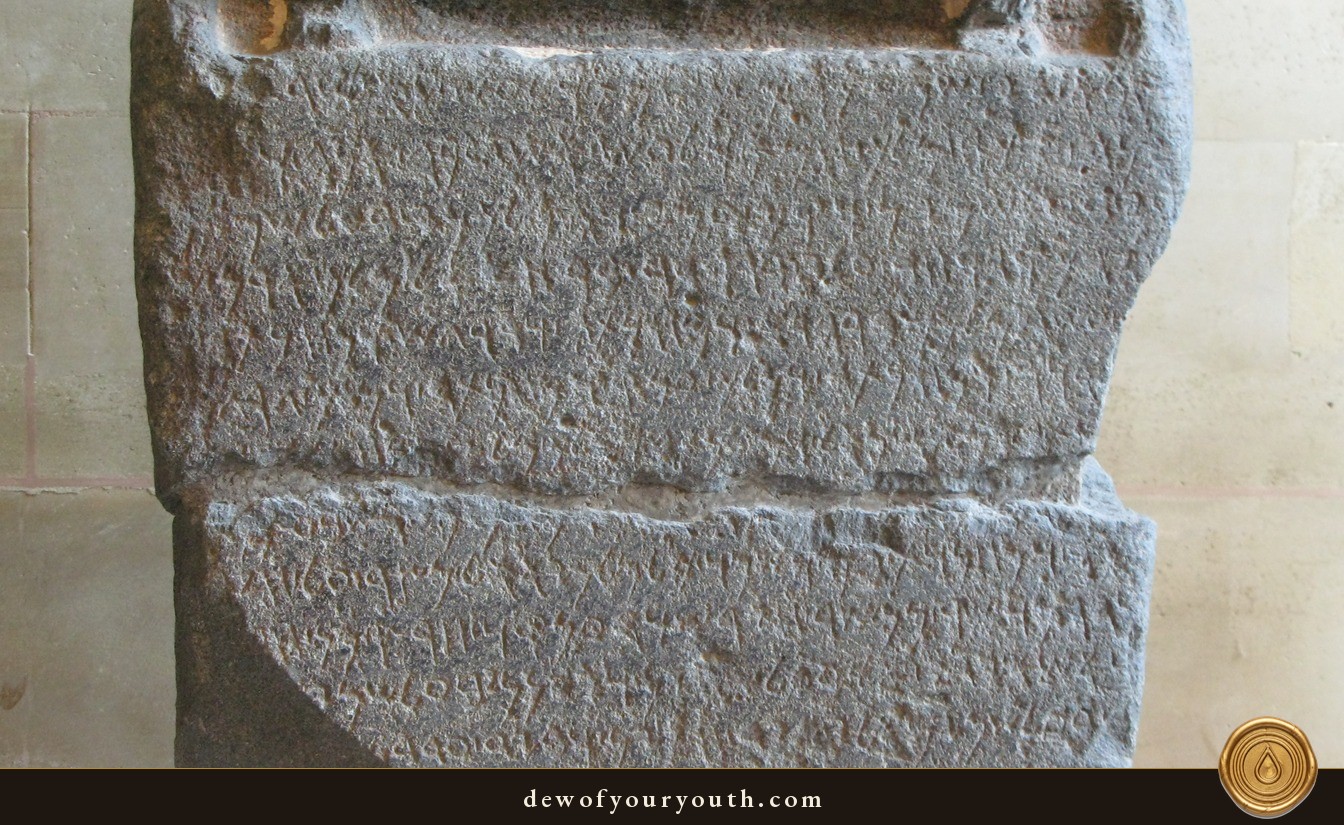
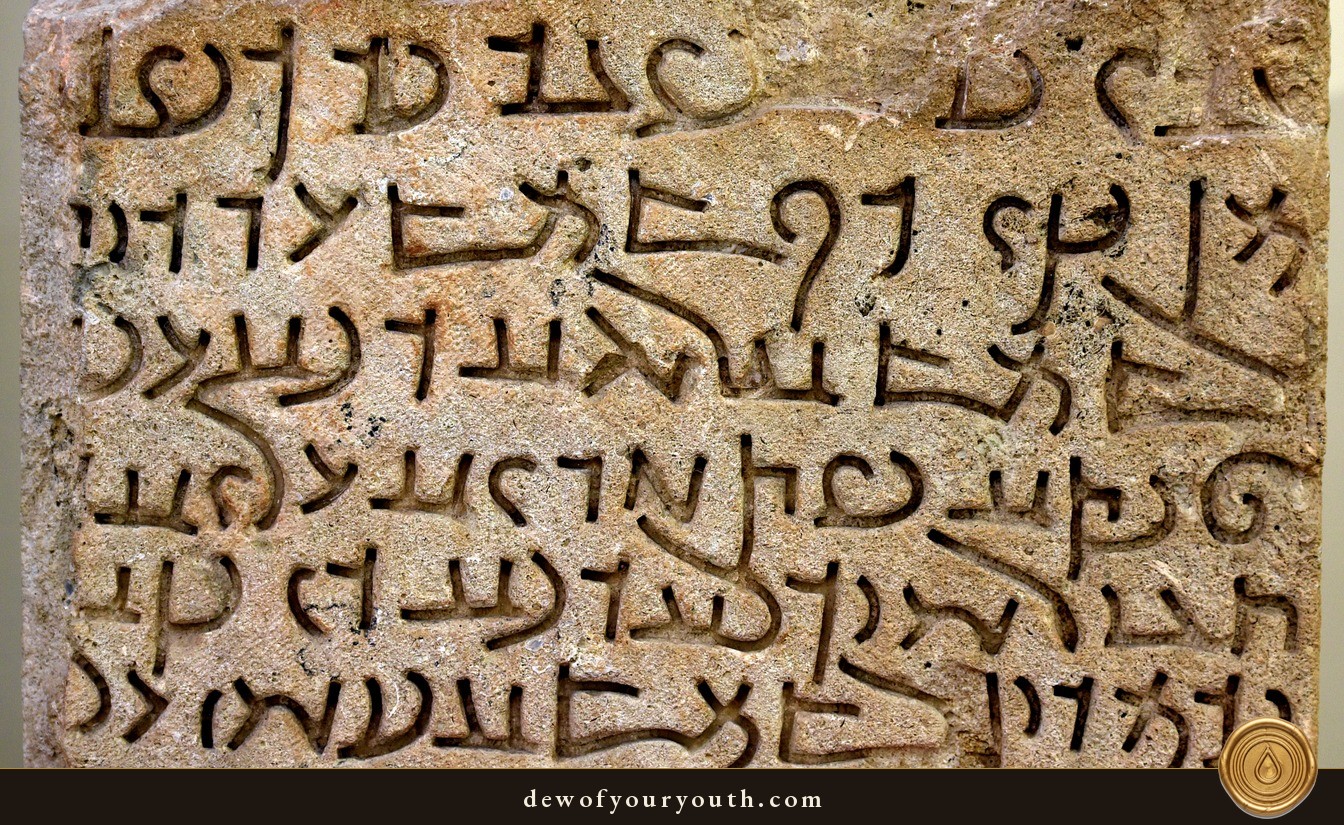
This is a sampling of historical stages and textual traditions, rather than ten neatly equivalent dialects. It also isn’t a test of whether I can read their original scripts. In several cases, I very much cannot. The photographs show what each text actually looks like.
Imperial Aramaic
The first text was a message on an A broken piece of pottery used as cheap writing material for notes, receipts and letters (pl. ostraca). from An island in the Nile at Aswan whose Persian-period garrison, including a Jewish community, left papyri and ostraca in Aramaic. in Egypt, dating to the late fifth century BCE. This is The standardized Aramaic of the Persian Empire’s administration (c. 550–330 BCE), written from Egypt to Afghanistan; Biblical Aramaic is close to it., the language of the Persian administration. I had to establish what an “ostracon” was before getting to the Aramaic. (A piece of broken pottery. Cheaper than papyrus.)
| Aramaic in Hebrew letters | Latin letters | Meaning |
|---|---|---|
| כען הלו חלם 1 חזית | kʿn hlw ḥlm 1 ḥzyt | Now, look: I saw one dream. |
| ומן עדנא הו אנה חמם שגא | wmn ʿdnʾ hw ʾnh ḥmm šgʾ | And from that time I have had a very high fever. |
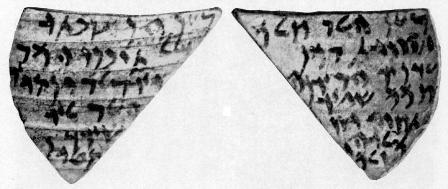
My first attempt was something like: “Once I saw something in a dream, and from that time I have been very hot.”
That was fairly close. I had the dream, the seeing, the time, and the heat. חמם could have been “shown” or “hot”; the translation made the heat into a fever, which certainly improved the sense.
I took הלו to be something like הלא, the archaic Hebrew way of saying “behold.” That turned out to be about right: it’s doing something like “look” or “behold.” (On first sight it also looked rather like “hello.”) The numeral, incidentally, is written as a sign in the source.
A troubling dream followed by an illness. I could follow that, even if I wouldn’t have been the best person to consult about either one.
Qumran Aramaic
Next was the An Aramaic retelling of stories from Genesis, found among the Dead Sea Scrolls in Cave 1 at Qumran; Abraham tells his part in the first person. from The site by the Dead Sea beside the caves where the Dead Sea Scrolls were found, copied mostly between the third century BCE and the first century CE., 1Q20, column 21. Abraham is telling his own story.
| Aramaic in Hebrew letters | Latin letters | Meaning |
|---|---|---|
| ואנה הוית יתב בטורא די בית אל | wʾnh hwyt ytb bṭwrʾ dy byt ʾl | I was dwelling in the hill country of Bethel. |
| ובאש עלי די פרש לוט בר אחי מן לואתי | wbʾš ʿly dy prš lwṭ br ʾḥy mn lwʾty | And I was distressed that Lot, my brother’s son, had parted from me. |
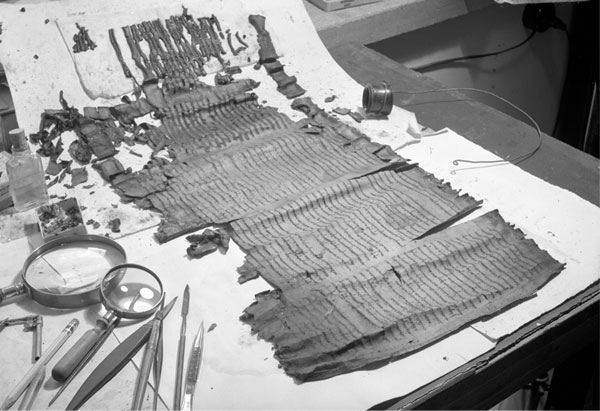
This was mostly straightforward. I read “sitting” or “dwelling,” a mountain at Bethel, and Abraham being unhappy that his nephew Lot had left him.
I did object to “hill country” when the translation appeared. טורא is a mountain, as far as I’m concerned. Once I reread the English properly, the disagreement seemed rather smaller.
The interesting part was Abraham being distressed. In Genesis, Abraham is the one who proposes that he and Lot separate; he more or less tells Lot to get lost. Here we get Abraham’s first-person account of missing him.
That was something to notice beyond recognizing a story I already knew.
Nabataean Aramaic
The The Aramaic dialect and script of the Nabataean kingdom of Petra; the script developed into the Arabic alphabet. passage came from a tomb inscription at Modern Mada’in Salih in northwestern Saudi Arabia: the Nabataeans’ second city after Petra, known for its rock-cut tombs., dated to 4 or 5 CE. This was where my Arabic helped, although it took a little while for the whole sentence to come together.
| Aramaic in Hebrew letters | Latin letters | Meaning |
|---|---|---|
| ולען דושרא כל מן די יקבר | wlʿn dwšrʾ kl mn dy yqbr | May Dushara curse anyone who buries… |
| בכפרא דנה | bkprʾ dnh | …in this tomb… |
| עיר מן די עלא כתיב | ʿyr mn dy ʿlʾ ktyb | …someone other than those named above. |
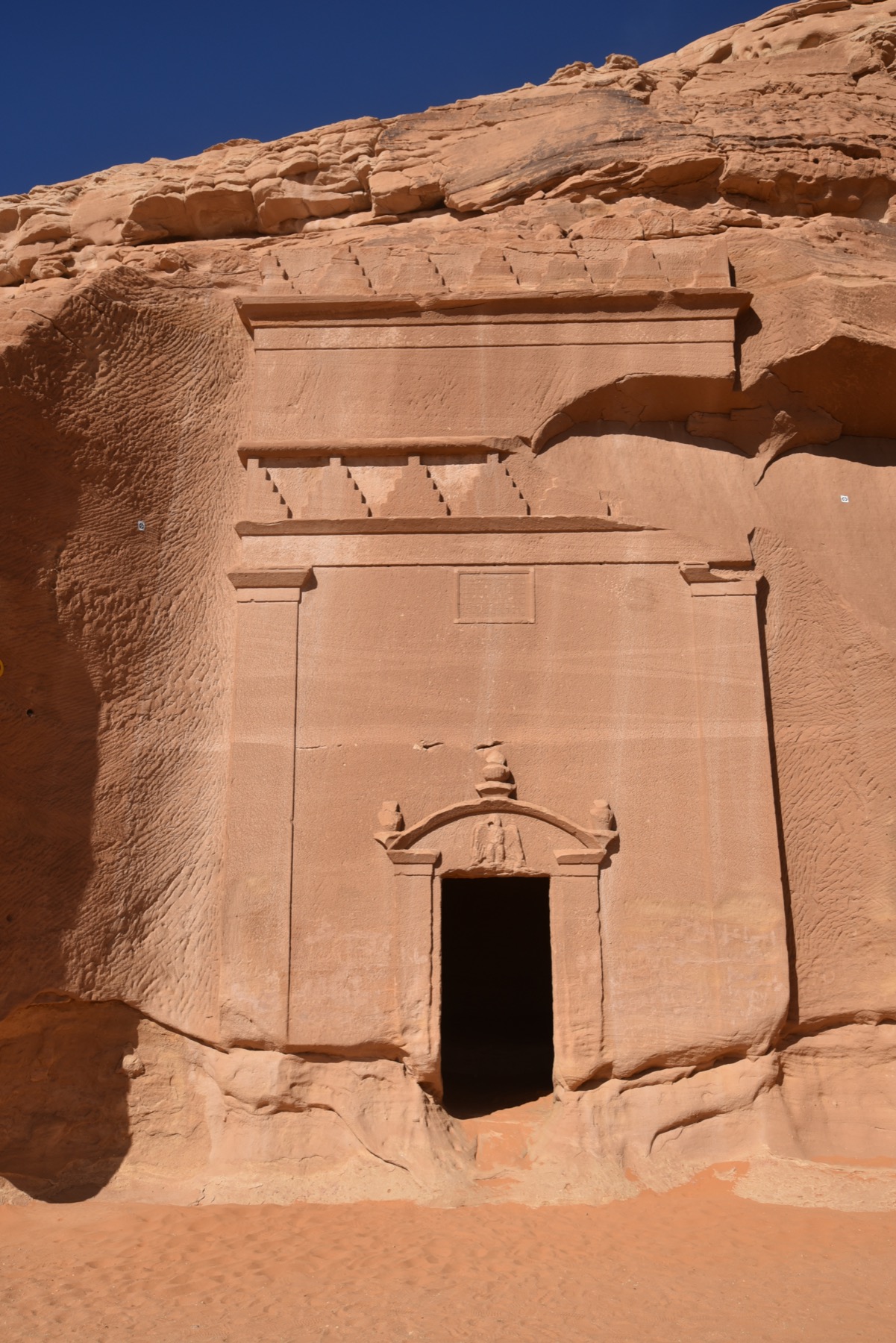
I recognized burial. I guessed that Dushara was a name. But כפרא looked like a village, and עיר looked like a city, which gave me rather a lot of geography for one short sentence.
Then עיר מן suggested Arabic غير, ghayr: “other than.” That gave me the exception. As far as I understand, the Nabataeans spoke an early form of Arabic and wrote in Aramaic, so an Arabic word turning up here wasn’t so strange. I started thinking this was saying that only certain people were supposed to be buried here.
The reveal supplied the rest. The chief god of the Nabataeans. was the god being asked to curse unauthorized burials, and כפרא here meant a tomb. ולען was a curse; the Jewish Aramaic form that came more readily to my mind was לייט. I can’t say whether ולען made obvious sense or whether I was retrofitting it once I knew the answer.
So I got the general restriction before getting several of the words that made it a restriction. The Arabic association was the useful part. I wouldn’t have gotten that bit from Hebrew and Gemara alone.
Palmyrene Aramaic
This one was a dedication to Queen of Palmyra (r. 267–272 CE), who briefly ruled much of the Roman East before the emperor Aurelian defeated her. at Palmyra, from 271 CE, in The Aramaic dialect and script of Palmyra, the Syrian caravan city, known mainly from inscriptions of the first to third centuries CE. Aramaic.
| Aramaic in Hebrew letters | Latin letters | Meaning |
|---|---|---|
| צלמת ספטמיא בתזבי | ṣlmt spṭmyʾ btzby | Statue of Septimia Batzabbay… |
| נהירתא וזדקת[א] מלכתא | nhyrtʾ wzdqt[ʾ] mlktʾ | …the illustrious and righteous queen. |
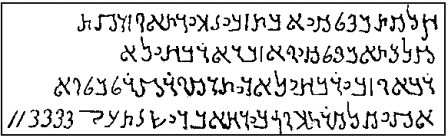
צלמת suggested צלם, an image or statue. מלכתא was a queen. נהירתא looked like something illuminated, and זדקתא looked close enough to צדקתא, swapping the zayin for a tsadi, that I took a chance on “righteous.”
The names were less cooperative. I thought בתזבי might be a place. It turned out to be Batzabbay, the Aramaic name corresponding to Zenobia. That was surprising, but doable.
I had a statue and an illuminated, righteous queen. The checked translation preferred “illustrious,” which seems fair. The royal adjectives went better than the queen’s name.
Hatran Aramaic
The The Aramaic of Hatra, a fortified city of the Parthian era in northern Iraq, known from inscriptions of the first to third centuries CE. inscription named what appeared to be a family of architects.
| Aramaic in Hebrew letters | Latin letters | Meaning |
|---|---|---|
| [ז]בידו ויהבשי | [z]bydw wyhbšy | Zobedu and Yahabshay… |
| [בנא] ברנני ארדכלא | [bnʾ] brnny ʾrdklʾ | …sons of Barnannay the architect… |
| בר יהבשי ארדכלא | br yhbšy ʾrdklʾ | …son of Yahabshay the architect… |
| די אלהא בחלמא אלף הנו | dy ʾlhʾ bḥlmʾ ʾlp hnw | …whom the god taught in a dream. |
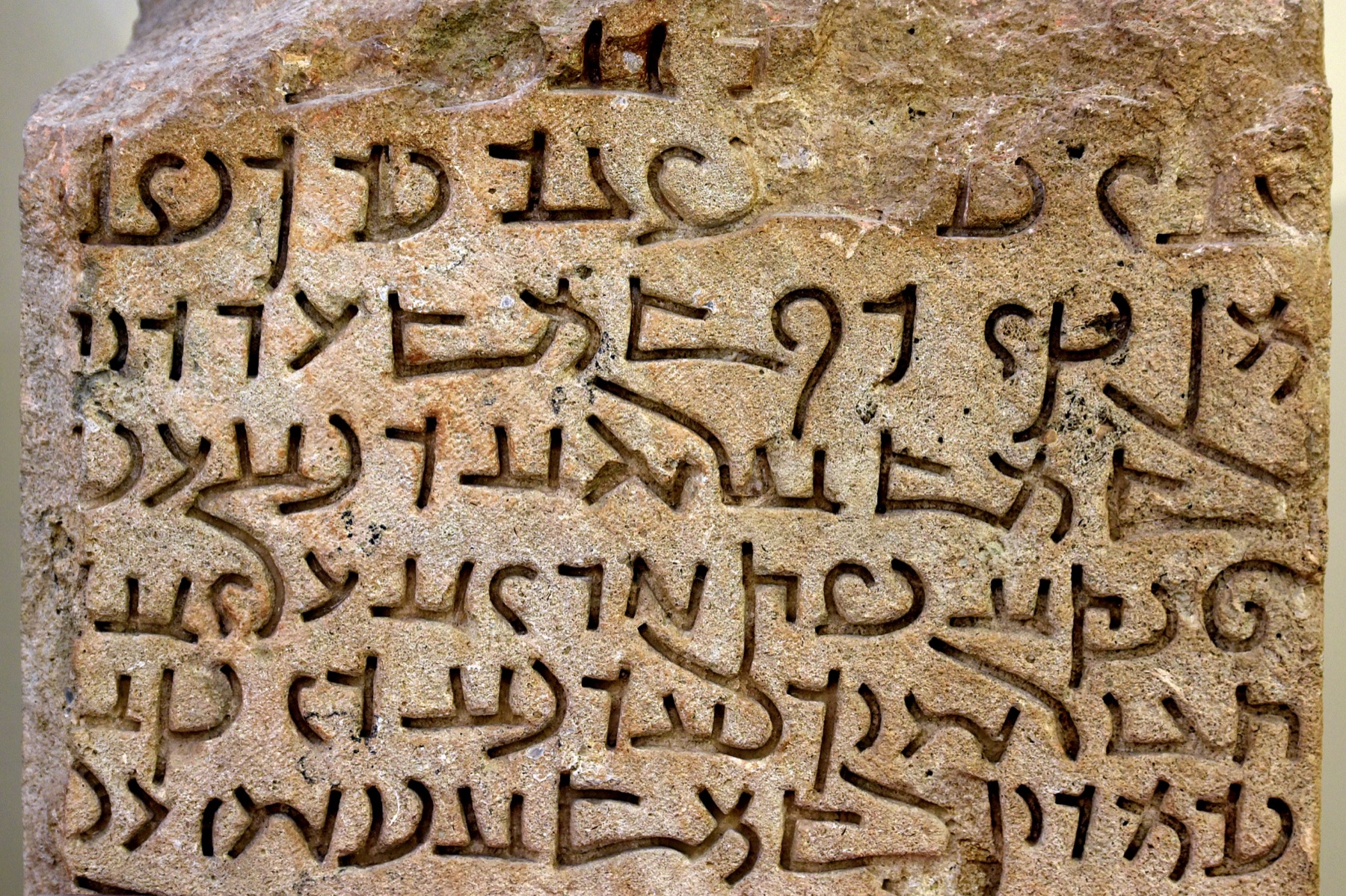
ארדכלא was close enough to Hebrew אדריכל for me to recognize an architect. With the names and the repeated בר, I could see a genealogy, including a grandson named after his grandfather. Architecture seemed to be the family business.
I actually recognized all the words in this one. אלהא and חלמא were familiar, and I knew אלף could mean teaching. It can also mean a thousand, which I briefly entertained. Either way, I still rather botched the sentence. I had the vocabulary without quite getting how it all fitted together, especially who was teaching whom in the dream.
The note on the reading said that the attachment of “whom” was uncertain. I was pleased about that. I had been uncertain, and apparently I was allowed to remain uncertain.
It isn’t often that the answer key congratulates you by also not quite knowing.
Jewish Aramaic of Israel
Then came the Yerushalmi, in The western Aramaic of Jews in the Land of Israel in late antiquity: the language of the Yerushalmi, the targums of the Land of Israel and much midrash.. I said that I was going to be embarrassed if this one went badly.
| Aramaic in Hebrew letters | Latin letters | Meaning |
|---|---|---|
| שרי מלכא נפק אע׳ג דלא נפק אמרין דנפק | šry mlkʾ npq ʾʿg dlʾ npq ʾmryn dnpq | When the king begins to go out, although he has not yet gone out, they say he has gone out. |
| שרי עליל לא אמרין דעל עד שעתה דייעול | šry ʿlyl lʾ ʾmryn dʿl ʿd šʿth dyyʿwl | When he begins to enter, they do not say he has entered until he actually enters. |
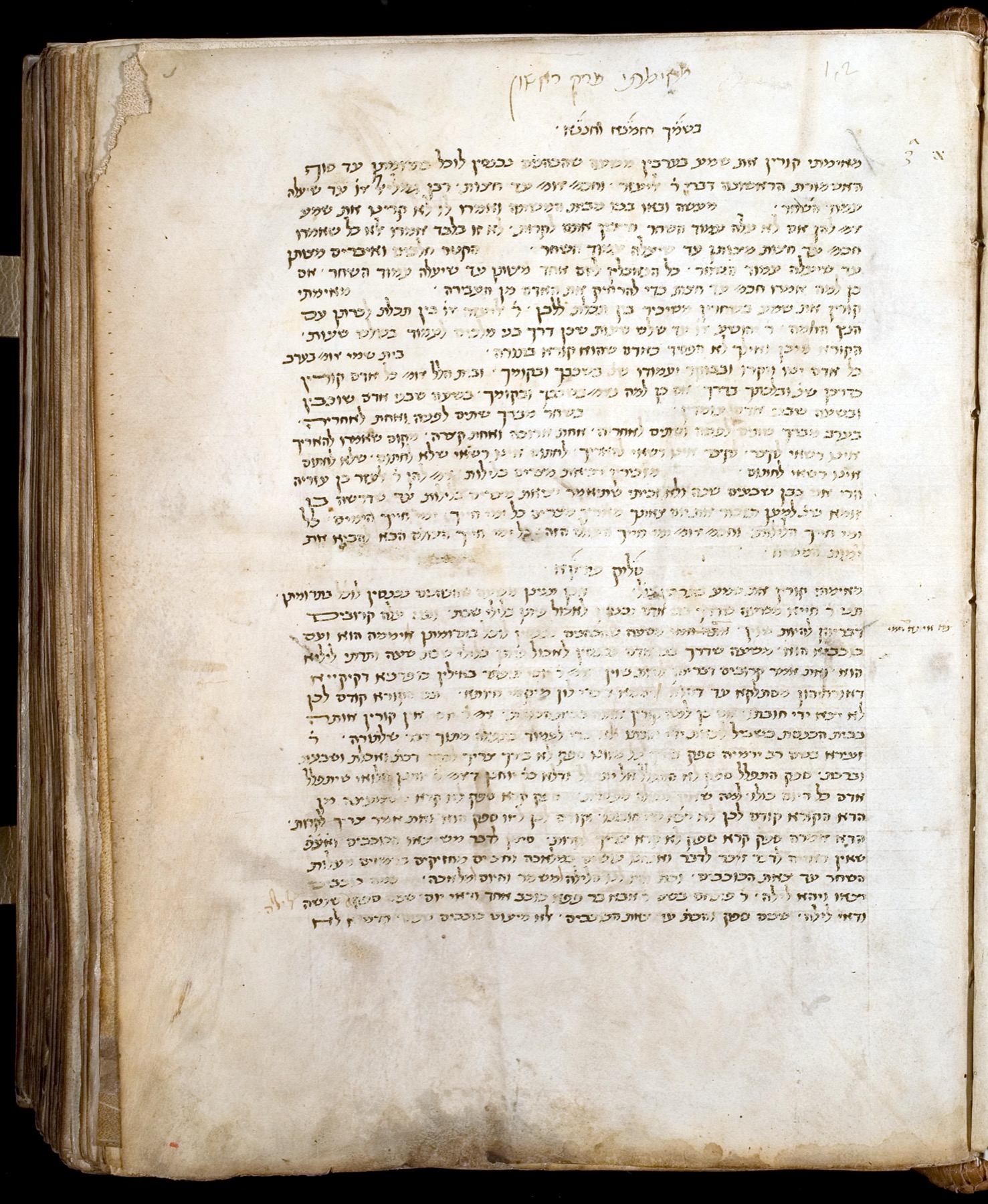
This was comfortable. When the king is preparing to leave, people already say he is leaving. When he is coming in, they wait until he has actually come in.
I also knew what to do with the abbreviation אע׳ג, af al gav, “even though.” Would I have worked that out in a completely unfamiliar text? Probably not. But this was the Talmud.
I may have read this passage before. If I did, I didn’t remember the point of the analogy, though the words themselves were comfortable enough. It comes from the discussion in The first tractate of the Mishnah and Talmud, on blessings and prayer; it opens by asking when the evening Shema may be said. about the boundaries of day and night.
Here my experience was helping with the abbreviations and the way the passage was put together, as well as the individual words.
Samaritan Aramaic
The The Aramaic of the Samaritan community, used for their targum and liturgy until Arabic replaced it. reading was a An Aramaic translation of the Bible, such as Targum Onkelos on the Torah (pl. targumim). of Genesis 13:1.
| Aramaic in Hebrew letters | Latin letters | Meaning |
|---|---|---|
| וסלק אברם ממצרים | wslq ʾbrm mmṣrym | Abram went up from Egypt… |
| הוא ואתתה וכל דלה | hwʾ wʾtth wkl dlh | …he and his wife and everything he had… |
| ולוט עמה לדרומה | wlwṭ ʿmh ldrwmh | …and Lot with him, toward the south. |
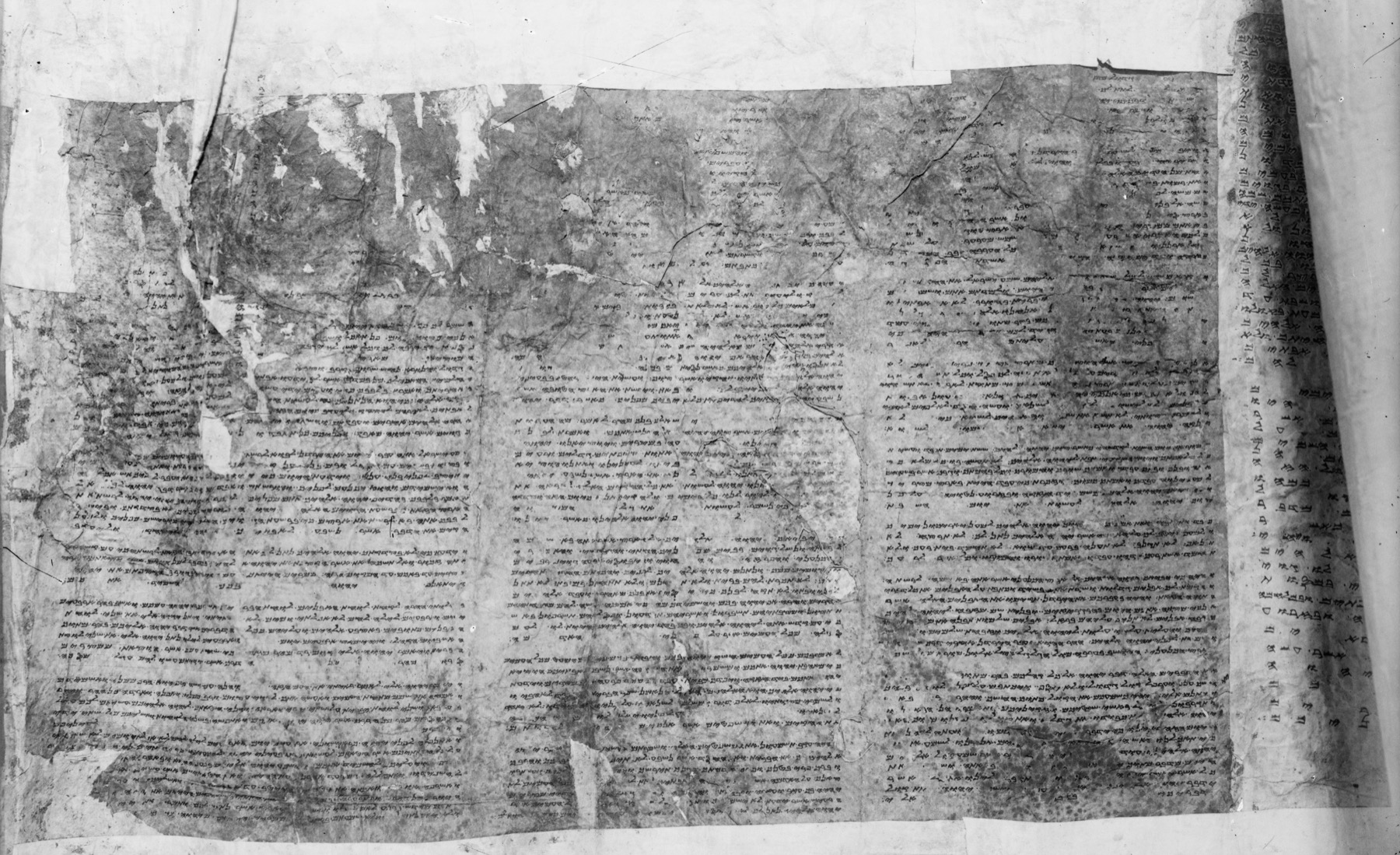
That went well. I said Abraham left Egypt with his wife, his possessions, and Lot, going south. The translation more precisely had him going up from Egypt.
But this wasn’t entirely fair. If you know the biblical passage, reading any translation of it is considerably easier. And the A small community descended from northern Israelites, with their own Torah and script, living at Mount Gerizim and in Holon. only accept the Five Books of Moses, so whatever their targum gave me was always going to be something I knew well. I recognized the people and the event, and I already knew roughly what was supposed to happen.
The Aramaic itself felt easy too. Still, the familiarity of Genesis was contributing to that feeling. A translation of a New Testament passage wouldn’t give me the same advantage.
Which brought us to the next reading.
Christian Aramaic of Israel
This was Mark 1:4, in A western Aramaic dialect used by Melkite Christians in the Land of Israel and Transjordan (c. 5th–13th centuries), written in a script derived from Syriac., and it went rather less smoothly.
| Aramaic in Hebrew letters | Latin letters | Meaning |
|---|---|---|
| הוא יוחניס מצבע במדברא | hwʾ ywḥnys mṣbʿ bmdbrʾ | John was baptizing in the wilderness… |
| ומכרז מצבועי דתהו | wmkrz mṣbwʿy dthw | …and proclaiming a baptism of repentance… |
| לשובוקין דסכלן | lšwbwqyn dskln | …for the forgiveness of sins. |
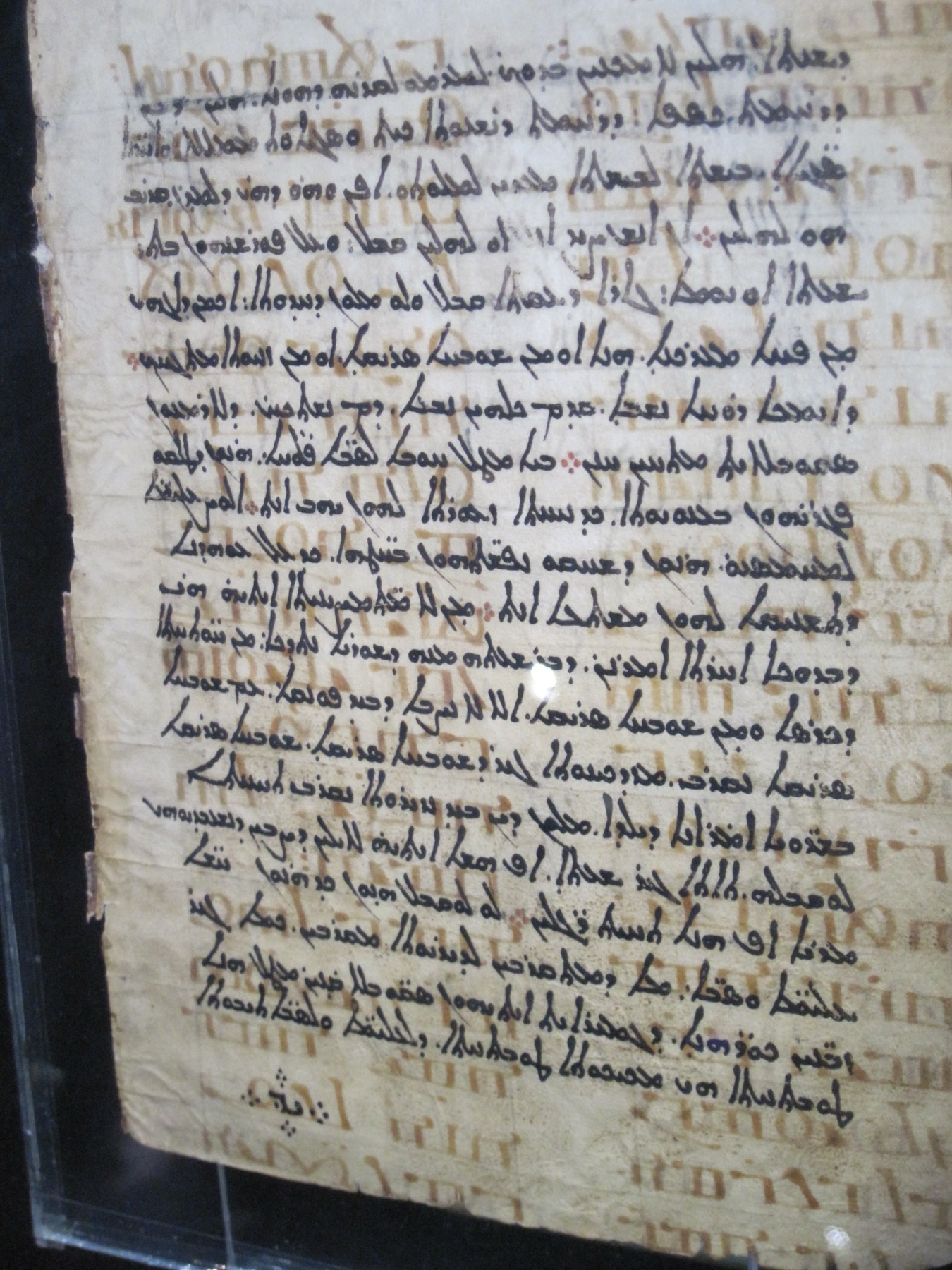
I recognized John and the wilderness. מצבע suggested coloring. I knew that “John coloring in the desert” probably wasn’t right, but I didn’t have a better verb.
Then סכלן suggested fools, and I ended up somewhere around sending fools away.
The translation had John baptizing in the wilderness and proclaiming repentance for the forgiveness of sins. That made more sense.
“I barely know what baptizing is in English,” I said, which was perhaps not the strongest foundation for translating it out of the Christian Aramaic of Israel.
תהו meaning repentance was news to me. So was סכלן meaning sins in this passage. I had recognized enough familiar-looking material to assemble a sentence, but several of the things I thought I recognized were leading me in the wrong direction.
Classical Syriac
Next came Classical The Aramaic dialect of Edessa, and the literary and liturgical language of Syriac Christianity.. More John.
In fact, it was the same verse, from the The standard Syriac translation of the Bible, made in the early centuries CE..
| Aramaic in Hebrew letters | Latin letters | Meaning |
|---|---|---|
| הוא יוחנן במדברא | hwʾ ywḥnn bmdbrʾ | John was in the wilderness… |
| מעמד ומכרז מעמודיתא דתיבותא | mʿmd wmkrz mʿmwdytʾ dtybwtʾ | …baptizing and proclaiming a baptism of repentance… |
| לשובקנא דחטהא | lšwbqnʾ dḥṭhʾ | …for the forgiveness of sins. |
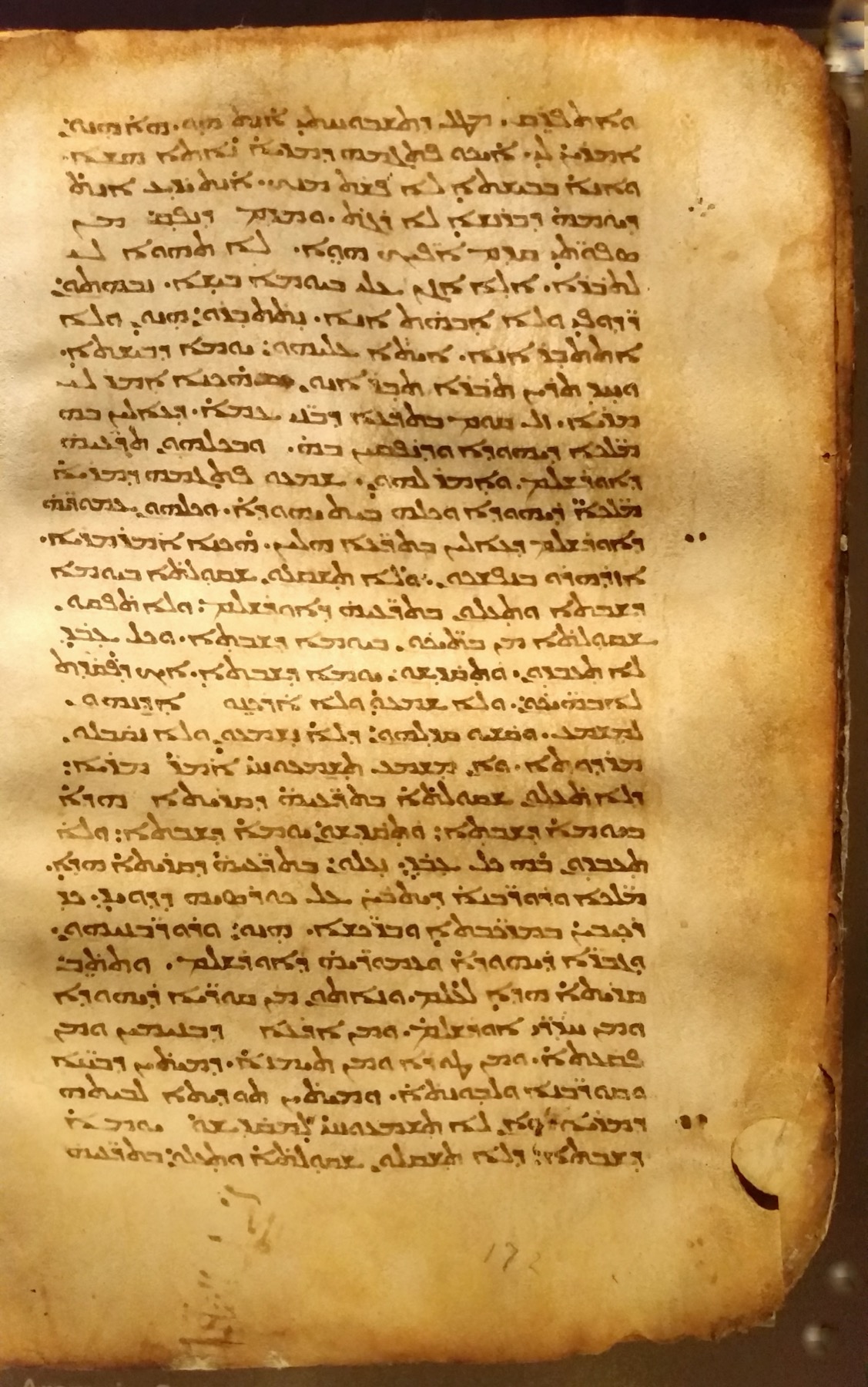
This felt much closer. תיבותא suggested returning, and so repentance, and חטהא looked like sins. I could follow more of the religious vocabulary.
There was one substantial catch: I had just worked through the Christian Aramaic version of the same verse and checked its meaning. Side by side, the two versions make a useful comparison. As an independent test of comprehension, the Syriac passage had rather a large hint attached.
Here are some of the differences side by side:
| Meaning | Christian Aramaic | Classical Syriac |
|---|---|---|
| John | יוחניס | יוחנן |
| Baptizing | מצבע | מעמד |
| Repentance | תהו | תיבותא |
| For forgiveness | לשובוקין | לשובקנא |
| Of sins | דסכלן | דחטהא |
I can say that the Syriac wording contained forms that felt more familiar to me. I can’t turn that into a clean comparison of how I would have done without already knowing the answer.
Classical Mandaic
“Oh Lord.”
That was my opening assessment of the Mandaic.
The text came from the A Mandaean scripture of discourses, many attributed to John the Baptist, whom the Mandaeans revere; unrelated to the New Testament Gospel of John.. It is a different work from the New Testament Gospel of John. The questions in this passage concern the earth, heaven, Adam, and Eve.
| Mandaic in Hebrew letters | Latin letters | Meaning |
|---|---|---|
| אמארוליא ארקא כמא האויא סומכח | amarulia arqa kma hauia sumkẖ | Tell me: how wide is the earth? |
| ומן ארקא לקומבא דרקיהא ראומא כמא האויא | umn arqa lqumba d-rqiha rauma kma hauia | From the earth to the vault of heaven, how great is the height? |
| ואדאם מן מאהו הוא | u-adam mn mahu hua | Where did Adam come from? |
| האוא זאוח מן מאהו הואת | haua zauẖ mn mahu huat | Where did Eve, his wife, come from? |
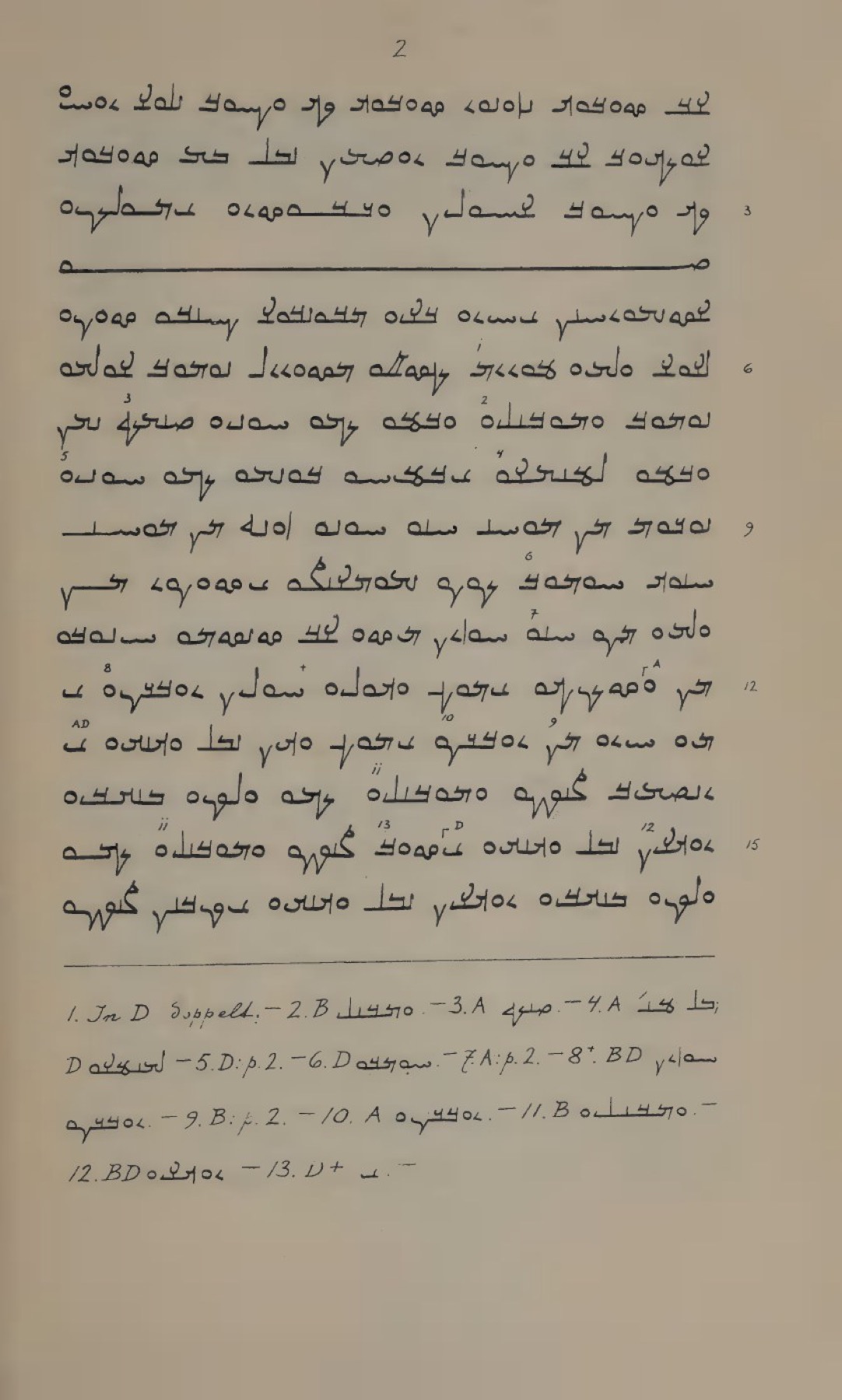
The Hebrew column here follows the written Mandaic letters. In particular, the final ח corresponding to Latin ẖ is a spelling correspondence, not an instruction to pronounce an ordinary Hebrew ח.
At first I said I didn’t know what any of it meant. That was a little too pessimistic. I worked out the questions about Adam and Eve, and I connected the word for “spouse” with זוג. I could also see something asking how high something was.
So I had a general direction: dimensions, height, Adam and Eve. Probably something to do with creation.
ארקא should have been more helpful than it was. I didn’t recognize it as “earth” on the first attempt. Once that was revealed, “from the earth to the firmament” became much easier to see.
But “once that was revealed” is doing a lot of work there. I didn’t have it beforehand.
And the original Mandaic script was completely beyond me. The Hebrew letters were already a substantial concession. Even with them, this was the hardest of the ten readings.
How much carried over
For much of this round, Hebrew and Jewish Aramaic gave me a useful starting point. I could often follow the structure of a sentence before getting every word. Arabic helped with the Nabataean exception. Familiar biblical material helped with the Samaritan targum.
Sometimes a word looked familiar and really was. Sometimes it produced a village where there was a tomb, or coloring where there was baptism.
The Yerushalmi felt like home. Mandaic did not. That difference was worth seeing even in such short samples.
I wouldn’t give all ten readings one intelligibility score. Some were only a few words long, some came from texts I might have encountered before, and one was literally the answer to the previous question. The ratings department issued one anyway.
The modern spoken varieties are next. My earlier encounter with spoken Aramaic gives me reason to expect rather more trouble.
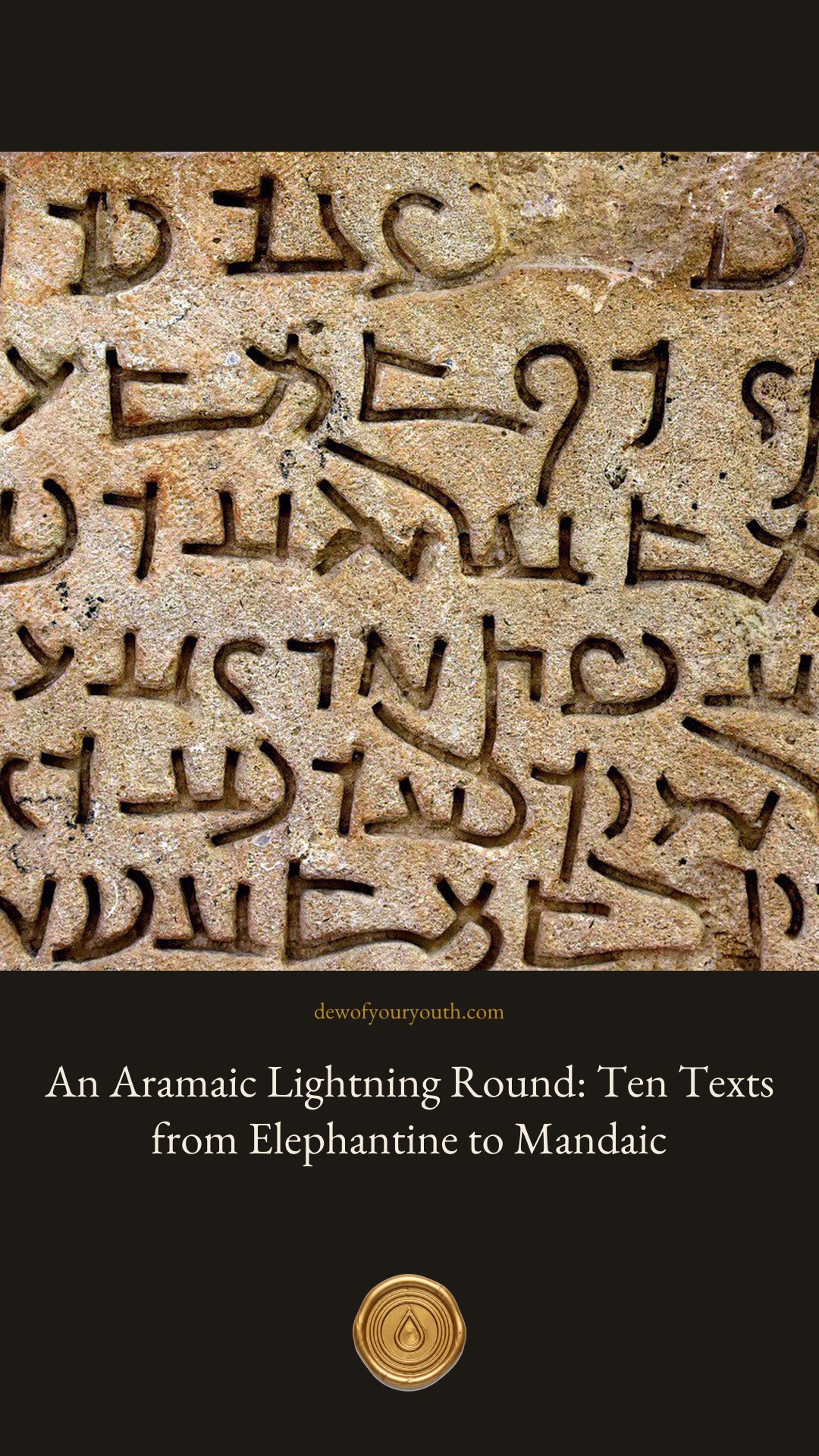
Cover: detail of a Hatran inscription from the eleventh temple at Hatra, Iraq Museum. Photo by Osama Shukir Muhammed Amin, CC BY-SA 4.0, cropped.
Sources
- Mnamon, Scuola Normale Superiore, Aramaic writing examples: Elephantine dream ostracon, TAD D7.17, recto 1–4; Palmyrene dedication to Zenobia, opening.
- Hatra H106b.
- Comprehensive Aramaic Lexicon, Genesis Apocryphon: 1Q20, column 21, line 7.
- CAL, Nabataean tomb inscription 1: Healey 1 / CIS II 199, lines 4–5, with the lexical comment on the curse.
- CAL, Yerushalmi Berakhot: 1:1, CAL coordinates 01 02c:18–19.
- CAL, Samaritan Targum J: Genesis 13:1.
- CAL, Christian Aramaic of Israel: Mark 1:4, Codex Climaci Rescriptus.
- CAL, Syriac Peshitta: Mark 1:4.
- CAL, Mandaean Book of John: page 002, lines 7–10, excerpt. English checked against Charles G. Häberl and James F. McGrath, The Mandaean Book of John: Text and Translation, chapter 1, printed page 3, lines 3–5.
- Unicode proposal for the Mandaic script: letter correspondences used in the Hebrew transcription.