Learning & Languages
Christian Urmi by Ear: Three Sons and a Mystery Fruit
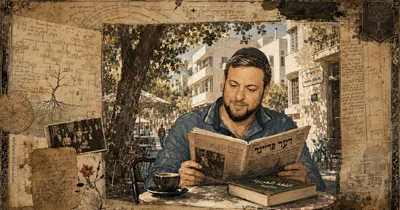
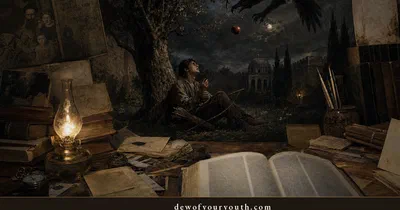
A Christian Urmi folktale by ear, then with a text: Gemara Aramaic got me the king, his sons and the tree, but not what the apple was for.
21 posts
A Christian Urmi folktale by ear, then with a text: Gemara Aramaic got me the king, his sons and the tree, but not what the apple was for.
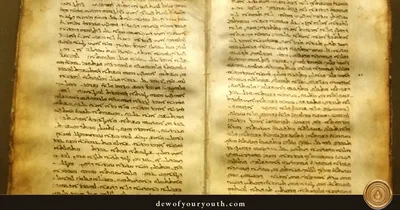
Ten Aramaic readings in one sitting: the Yerushalmi felt like home, Arabic cracked a Nabataean curse, and John the Baptist went into the desert to color.
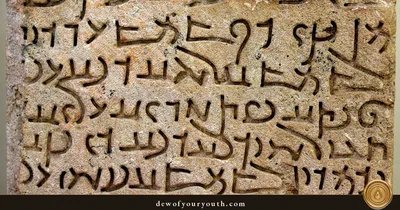
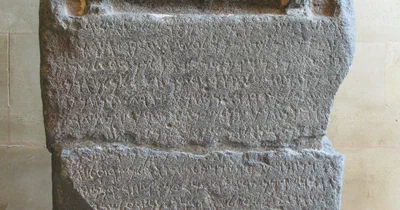
A Hebrew and Gemara reader tries two Old Aramaic inscriptions: a Syrian king saved from a siege, and a treaty curse of seven nurses and one unsatisfied baby.
Years of Talmud and Targum gave me a strong reading knowledge of Aramaic. Then I listened to people who actually speak it.
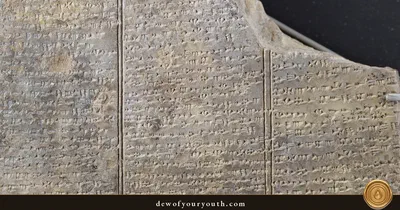
A Hebrew speaker reads Ugaritic: a priest’s axe, a letter from Tyre, and a line of Baal poetry where the heavens rain oil.
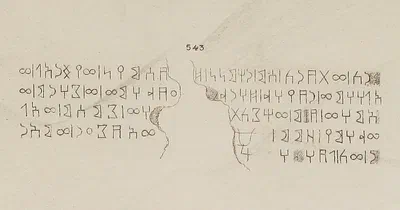
A Hebrew speaker tries to read CIH 543, a Jewish inscription from Ḥimyar, and spends a while parsing a family’s names as grammar.
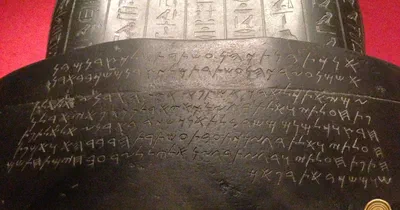
A Hebrew speaker reads Tabnit’s Phoenician curse against grave robbers, carved on a recycled Egyptian coffin, with the guesses and corrections left visible.
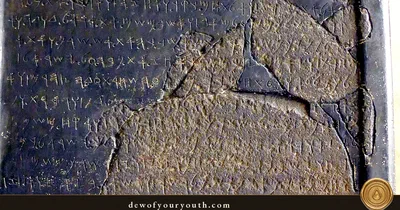
A Hebrew speaker reads the ninth-century BCE Mesha Stele without first studying Moabite, keeping the misreadings visible, to see how far Hebrew actually gets you.
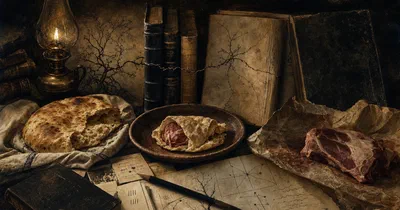
Hebrew לחם means bread. Arabic لحم means meat. Trying to understand how that happened sent me back to Daniel, the korbanos, and a disagreement between Ibn Ezra and the Ramban.
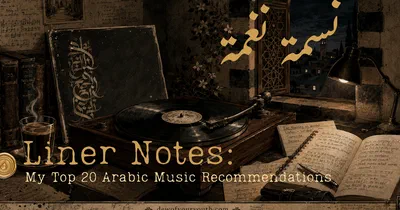
Twenty Arabic songs across Tunisian, Algerian, Levantine, and Sudanese dialects — liner notes for training your ear, song by song.
Hebrew became the mother tongue of millions; Modern Standard Arabic remains a formal register nobody speaks at home. Both underwent deliberate standardization in the same historical window — the difference reveals what language revival actually requires.
A beginner-friendly Turkish phrase list with IPA cues, early pronunciation notes, and why Duolingo basics miss what you actually need first.
I will now start a weekly vlog in Hebrew - similar to what I do with the Daily Derja.
What I do when a word refuses to stick—why brute force fails, and how I hack the brain’s tagging system.
Current Tunisian Arabic study stack: Anki workflows, mnemonics, Easy Tunisian Arabic, and Obsidian notes.
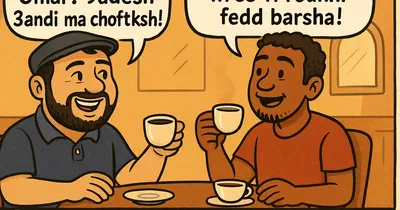
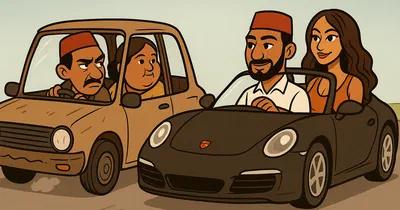
Some AI generated images for Tunisian vocabulary words.
Starter notes for Moroccan Darija with greetings, transliterations, and embedded audio.
Other categories: Faith & Practice, Heritage & Identity and Tech & Tools.