Artifacts
In Reading Semitic Languages with Hebrew I try to read old Semitic texts with nothing but Hebrew. This is where you can try it yourself. Each inscription, tablet and manuscript is here in full, line by line in its original script. Have a go, then reveal the Hebrew letters and the English when you’re ready.
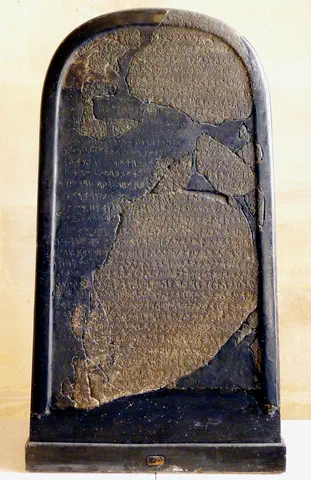
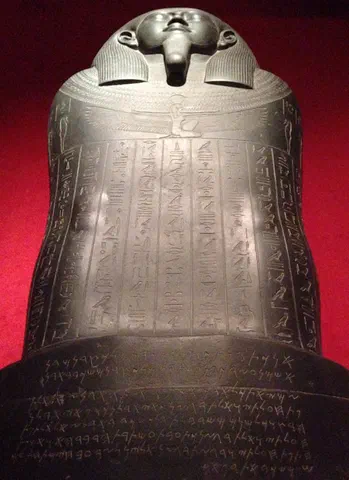
Canaan and Moab
Moabite, Phoenician and their neighbours, in the old alphabet that Hebrew once shared
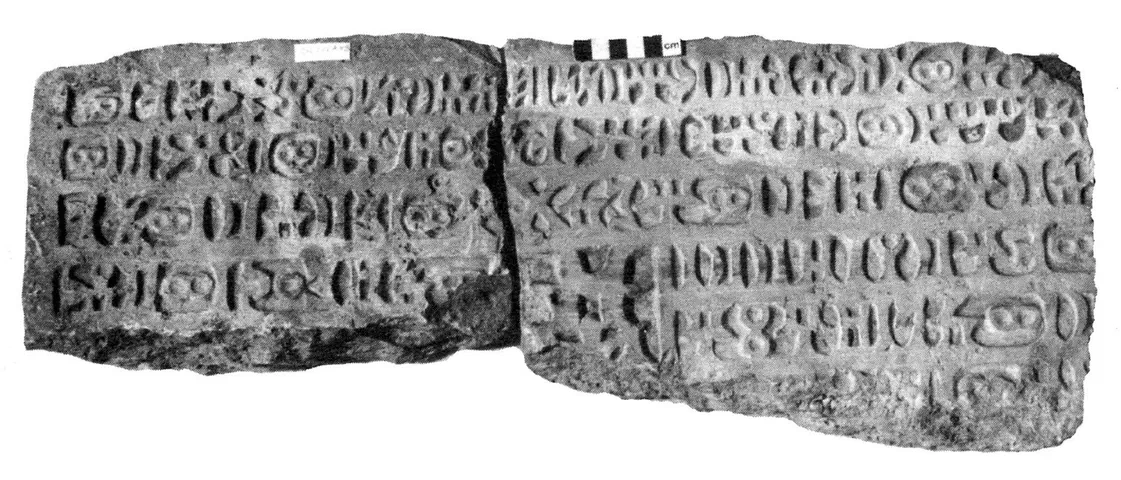
Ḥimyar
Sabaic from Yemen, in the South Arabian alphabet
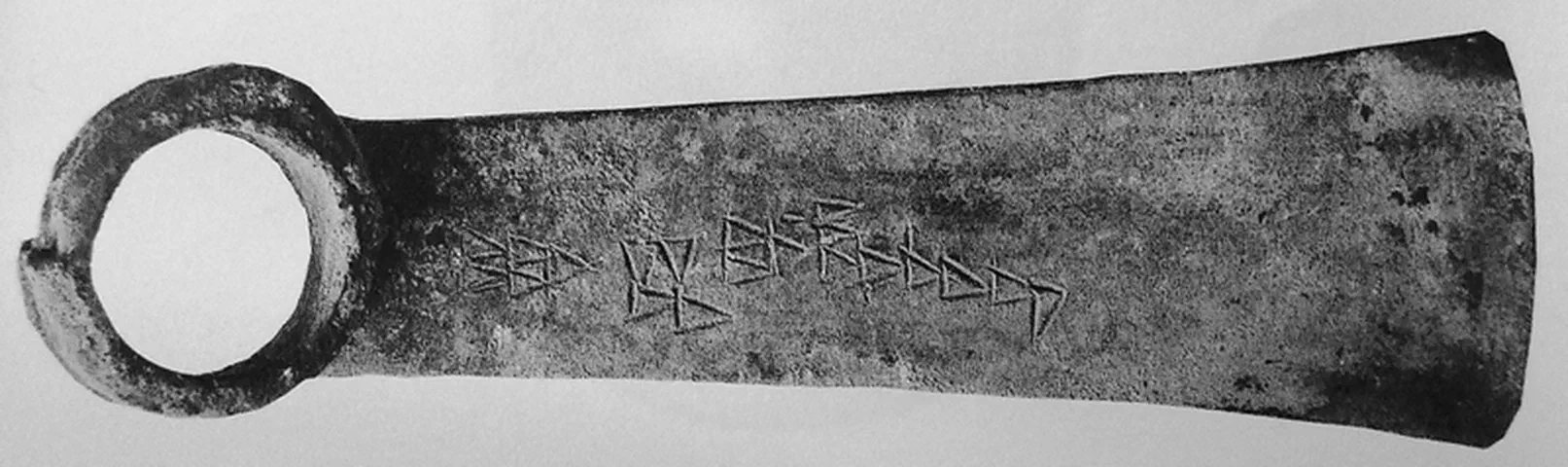
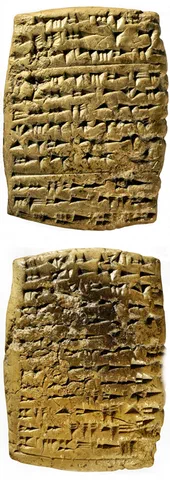
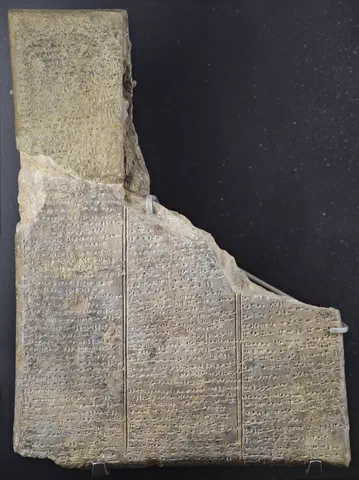
Ugarit
An alphabet written in cuneiform wedges, on the Syrian coast
Aramaic
Three thousand years of one language, from royal stelae to scripture
- Zakkur Stele Old Aramaic Early 8th century BCE
- Sefire Treaty Stele I Old Aramaic Mid-8th century BCE
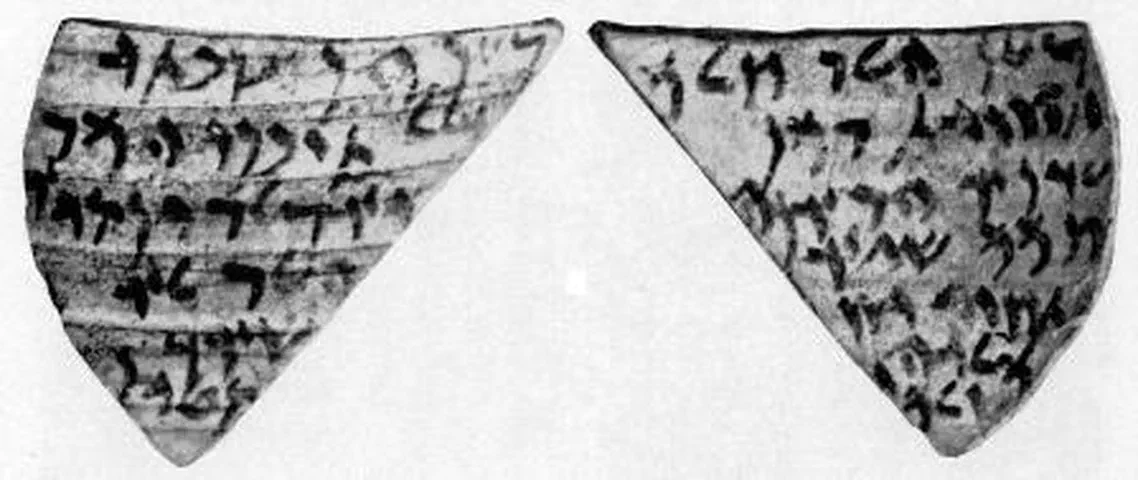 Ostracon from Elephantine
Imperial Aramaic
Late 5th century BCE
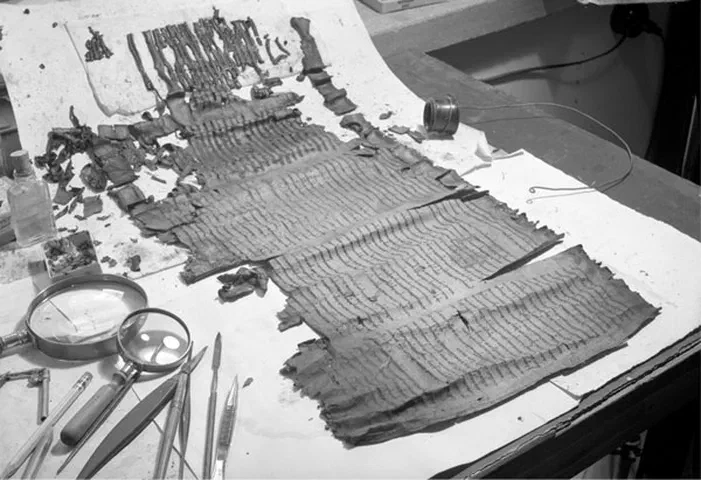 Genesis Apocryphon
Qumran Aramaic
1st century BCE to 1st century CE
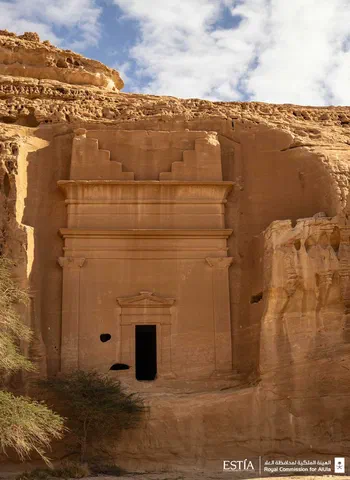 Nabataean Tomb Inscription from Hegra
Nabataean Aramaic
4 or 5 CE
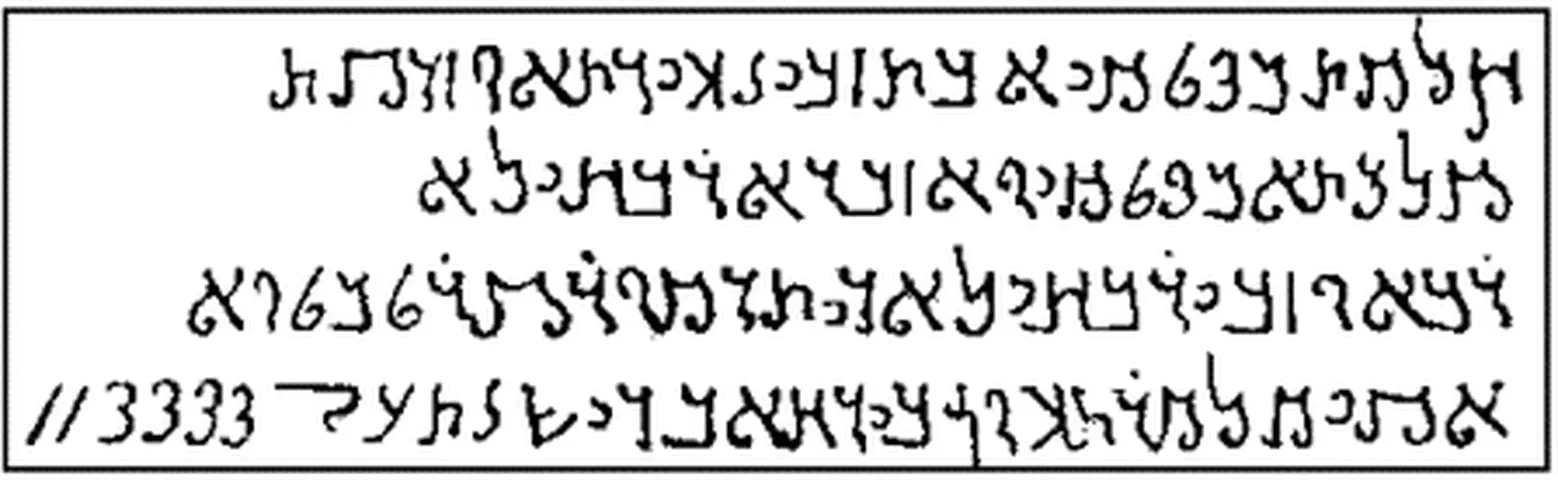 Palmyrene Inscription of 271 CE
Palmyrene Aramaic
271 CE
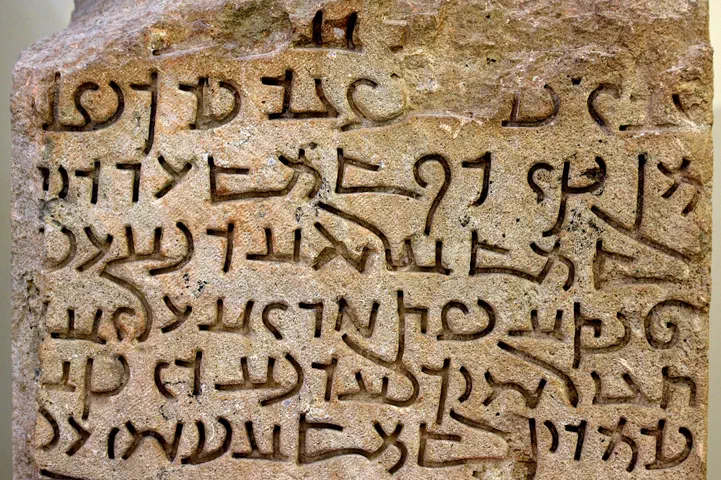 Hatran Inscription
Hatran Aramaic
1st to 3rd century CE
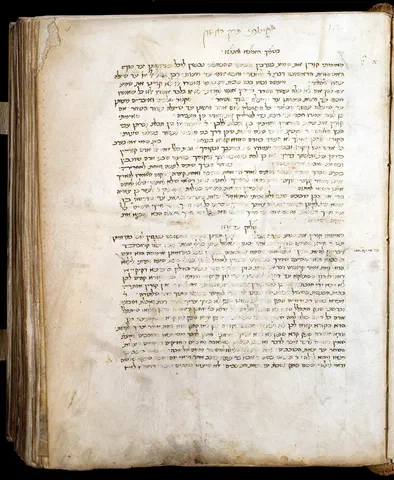 Yerushalmi Berakhot, Leiden Manuscript
Jewish Aramaic of Israel
Copied in Rome, 1289
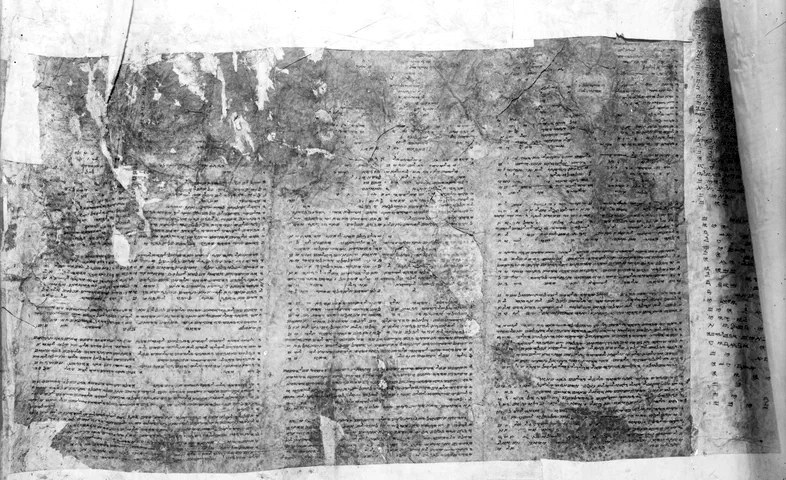 Samaritan Targum
Samaritan Aramaic
Late antiquity onward (text); manuscripts later
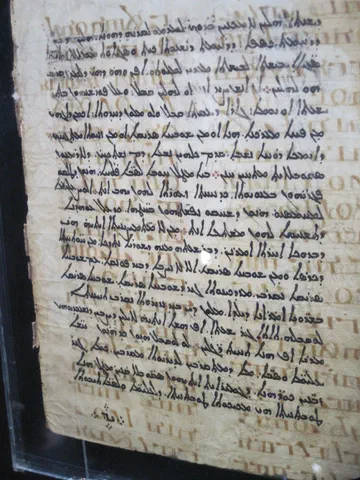 Codex Climaci Rescriptus
Christian Aramaic of Israel
6th century CE (lower text)
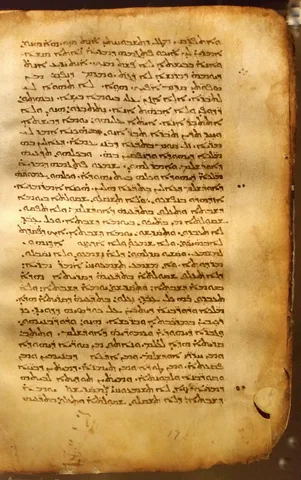 The Peshitta
Classical Syriac
Translation c. 2nd–5th century CE; manuscript 9th century
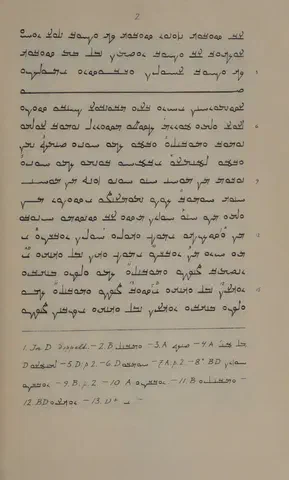 The Mandaean Book of John
Classical Mandaic
Compiled in late antiquity or later